
Chloranthus fortunei
Chloranthus fortunei
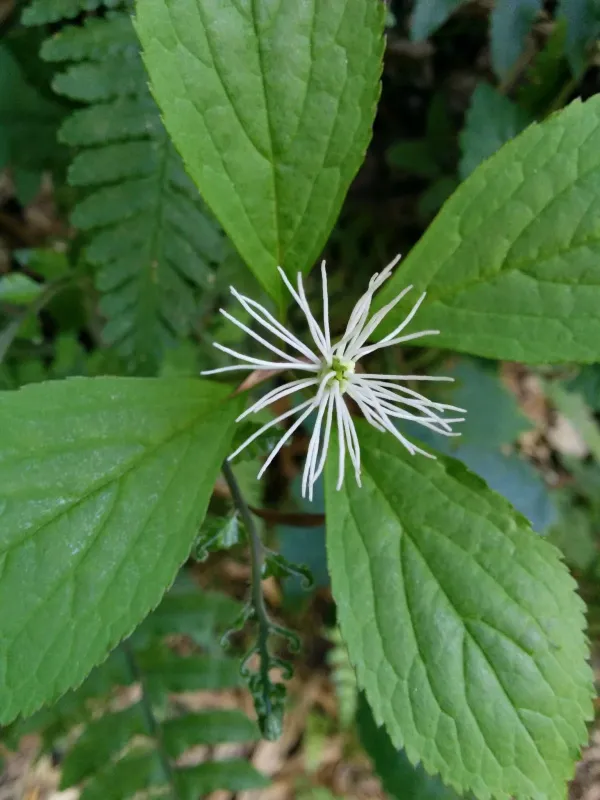
Description
Sowing dates
Propagation of Chloranthus fortunei is typically performed vegetatively through rhizome division or stem cuttings during the early spring growing season.
Seed propagation requires a period of cold stratification, usually achieved by sowing in late autumn or using controlled cold storage for several weeks.
Optimal planting time for division is when the plant is transitioning out of dormancy, ensuring that the rhizomes have sufficient energy to re-establish.
Cuttings should be placed in a humid, shaded environment to ensure high success rates during the sensitive rooting phase of development.
Correct planting depth is vital, generally keeping the rhizome near the surface, covered with a thin layer of organic mulch to maintain moist conditions.
Growing requirements
Chloranthus fortunei is a perennial herb belonging to the Chloranthaceae family, native to the forest understories of East Asian regions.
The plant thrives in partial shade, mimicking its natural habitat where the forest canopy provides filtered sunlight and protects from extreme temperatures.
The ideal soil is moisture-retentive, rich in organic matter, and slightly acidic, requiring excellent drainage to prevent root zone saturation.
Consistent moisture levels are essential; the plant is sensitive to drought and must be watered regularly throughout the active growing season.
Winter care includes applying a layer of mulch to protect the roots from frost, as the species has moderate winter hardiness in temperate climates.
Yield
The economic value of this crop lies in the harvesting of its rhizomes and foliage, which are processed for their specific bioactive compounds.
Harvest cycles are long, typically requiring three to four years for the plants to mature sufficiently for the collection of high-quality medicinal material.
Crop yields are dependent on maintaining ideal soil fertility and ensuring the plants are protected from invasive weeds that compete for nutrients.
For ornamental or research purposes, plant health is measured by foliage density, flower development, and the overall vigor of the perennial clumps.
Sustainable production involves staggered harvesting, ensuring that a portion of the population remains undisturbed to allow for future regrowth.
Main diseases and pests
The primary threats include fungal diseases like root rot, which are often caused by poor drainage and excessive moisture levels in the growing medium.
Pests such as slugs and snails are particularly problematic, often targeting young shoots and leaves during the wet periods of the year.
Aphid infestations can occur during flowering, which can weaken the plant and serve as a vector for various secondary viral or fungal pathogens.
Preventive measures include maintaining adequate spacing to promote airflow and removing any dead or decaying plant tissue from the field.
Biological control methods are preferred, as chemical pesticides can compromise the purity of the plant material destined for pharmaceutical use.
Harvesting
Harvesting for medicinal purposes occurs in late autumn when the plant’s chemical components are concentrated within the rhizome and roots.
Roots are excavated, cleaned of soil, and washed thoroughly to ensure the final product meets the standards required for raw material processing.
Drying is performed in climate-controlled areas at low temperatures to prevent the denaturation of sensitive bioactive compounds in the plant tissues.
Foliage is harvested using clean cutting tools, leaving a small portion of the stem above the ground to facilitate future development and plant health.
Post-harvest storage must be in a cool, dry environment to maintain the shelf life and potency of the harvested product before final manufacturing.