
Chloranthus henryi
Chloranthus henryi
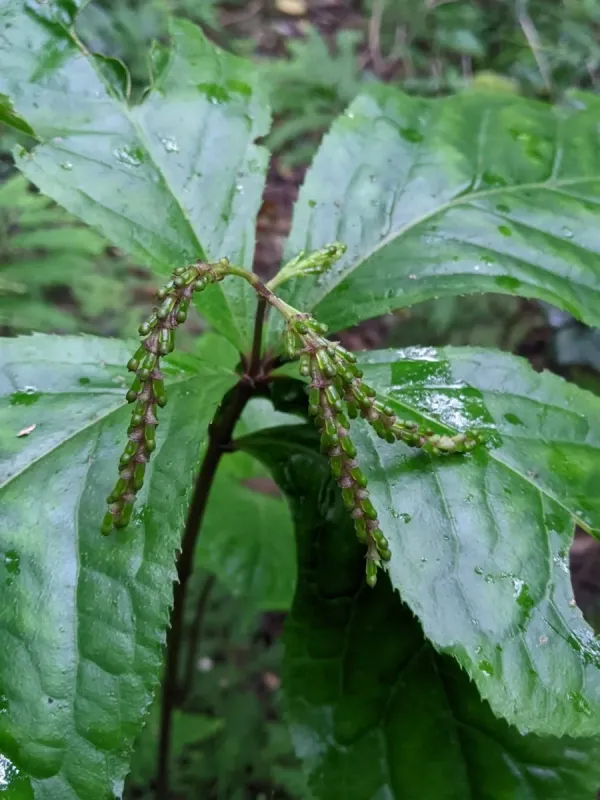
Description
Sowing dates
Planting of Chloranthus henryi is usually carried out by seeds or rhizome division in the spring once the soil has warmed up. The seeds require stratification to increase germination rates, which is why sowing is often done in the fall into prepared nursery beds.
The optimal time for transplanting into open ground is late April or early May when the threat of late frosts has passed. For vegetative propagation, the bush is carefully dug up and divided into sections, each of which must have a well-developed root system and growth buds.
The planting depth of seeds should not exceed 1–2 centimeters to avoid inhibiting the growth of fragile sprouts. After planting, it is recommended to mulch the soil with organic materials to retain moisture and prevent the root collar from overheating.
When using the seedling method, plants are set in a permanent location with a spacing of about 30–40 centimeters between bushes. This provides sufficient room for rhizome expansion and proper air circulation within the planting area.
For successful establishment during the first few weeks after sowing or transplanting, regular but moderate watering is necessary. It is crucial to avoid waterlogging, which can lead to root rot in young, sensitive plants.
Growing requirements
Chloranthus henryi belongs to the Chloranthaceae family and prefers shaded areas, as it naturally thrives in the understory of dense forests. Direct sunlight can cause burn marks on its delicate leaves, making shaded garden corners the ideal habitat.
The plant has specific requirements for soil quality, preferring loose, fertile substrates with high organic content. An optimal acidity level for this plant is slightly acidic to neutral soil that is rich in humus.
Soil moisture is a critical factor for successful vegetative growth; however, the plant does not tolerate water stagnation. Proper drainage is a mandatory condition when growing in heavy clay soils to prevent the development of root rots.
The temperature regime should be moderate, as the plant does not handle extreme temperature fluctuations or intense summer heat well. In regions with harsh winters, Chloranthus henryi requires protection with fallen leaves or pine boughs to shield the root system from freezing.
Standard care also includes regular fertilization with diluted mineral solutions during the active growing season. It is advisable to use nitrogen-rich fertilizers in the spring and potassium-phosphorus blends at the end of summer to prepare the plant for dormancy.
Harvesting
The economic use of Chloranthus henryi is primarily focused on the collection of medicinal raw material, specifically the rhizomes, which contain biologically active compounds. Harvesting is performed in the autumn when the above-ground part of the plant starts to die off.
The rhizomes are carefully excavated, cleaned of soil residues, and thoroughly rinsed with running water. It is important to avoid damaging the root structure during the extraction process, as this reduces the overall quality of the commercial product.
Drying of the collected material is carried out in well-ventilated rooms or specialized drying cabinets at temperatures not exceeding 40–45 degrees Celsius. Overheating can lead to the degradation of the volatile components contained within the plant.
After drying, the roots should become brittle and snap easily under mechanical pressure. The finished raw material is sorted to remove any blackened or mold-affected parts before being packed in paper packaging for storage.
The shelf life of dried rhizomes in dry, dark conditions is approximately two years without a significant loss of therapeutic properties. In industrial production, it is essential to maintain the purity of the raw material by preventing mixing with foreign plant debris.