
Chloranthus sessilifolius
Chloranthus sessilifolius
Description
Growing requirements
Chloranthus sessilifolius is a perennial herbaceous plant belonging to the Chloranthaceae family. It is native to the temperate forest regions of East Asia, primarily found in the understory of shaded, humid woodlands in Japan and China.
This crop requires specialized conditions, including nutrient-rich, well-draining soil with a high humus content. It performs best in locations that mimic forest floor conditions, characterized by high humidity and protection from direct, intense sunlight throughout the day.
Cultivation practices must focus on moisture management. While the soil should remain consistently moist, it must never become waterlogged, as poor drainage is the leading cause of root health degradation in this species.
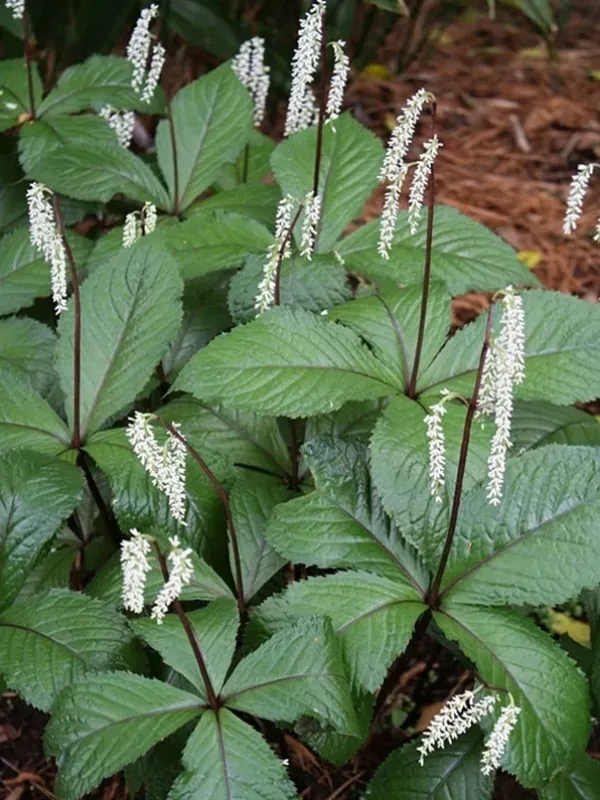
Botanically, the plant is recognized by its sessile leaves arranged oppositely along the stem. The inflorescences are distinct, forming spikes that lack a perianth, which is a unique evolutionary characteristic within its family structure.
In terms of хозяйственное (economic) use, the plant is primarily harvested for its roots, which are used in traditional pharmacology. Beyond medicine, it serves as a valuable ornamental specimen for shaded rock gardens and woodland borders, known for its elegant foliage.
Main diseases and pests
The primary threats to Chloranthus sessilifolius are fungal pathogens, specifically those causing root rot. These diseases thrive in environments with poor soil aeration and excessive, stagnant moisture near the rhizomes.
Pest issues are mainly associated with terrestrial gastropods, such as slugs and snails, which can defoliate young growth. Implementing barrier protection or manual removal is standard practice for maintaining the vigor of the plantations.