
Chloranthus multistachys
Chloranthus multistachys
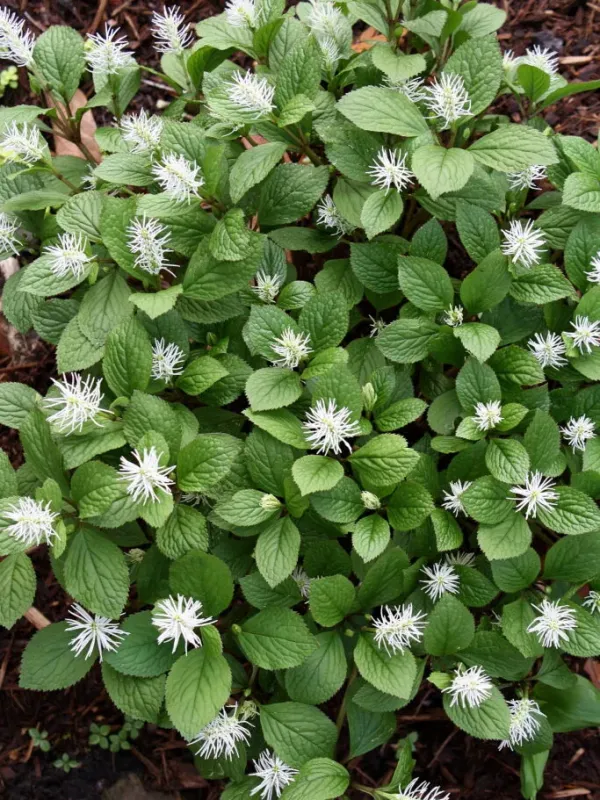
Description
Growing requirements
Chloranthus multistachys is a perennial herbaceous plant belonging to the Chloranthaceae family. It is widely recognized for its therapeutic potential in East Asian traditional herbal medicine.
The plant naturally thrives in humid, shady forest habitats of East Asia. For successful cultivation, it requires loose, well-drained, nutrient-rich soils with high organic content.
Climatic requirements focus on a stable, humid environment with consistent temperatures. The species is highly sensitive to direct sunlight, making partial or full shade essential for healthy development.
Agrotechnical practices involve maintaining a soil pH between 5.5 and 6.5. Regular irrigation is necessary, but it is critical to avoid waterlogging to protect the delicate root system from rot.
Propagation is typically carried out through rhizome division. The plant prefers sites protected from harsh winds, which can quickly dehydrate the foliage and inhibit growth.
Main diseases and pests
The primary threats to this crop are fungal pathogens, specifically root rot, which often appears in conditions of excessive soil moisture and poor drainage.
Pests such as mites and various foliage-feeding insects can cause significant damage during the peak growing season, potentially reducing final biomass yield.
Preventative measures include crop rotation and ensuring adequate air circulation between individual plants to decrease the risk of disease spread.
Biological pest control is strongly advised to maintain the purity and quality of the raw medicinal material intended for pharmaceutical use.
Constant field monitoring is required to detect early symptoms of disease or pest infestation, allowing for quick and targeted intervention.
Harvesting
Harvesting is primarily focused on the rhizomes, which are typically extracted at the end of the growing season when the plant begins to enter dormancy.
Once excavated, the rhizomes are washed thoroughly to remove debris and then processed through a controlled drying procedure to preserve active chemical compounds.
Temperature control during the drying phase is essential, as excessive heat can degrade the essential oils and sesquiterpenoids that define the medicinal value.
After reaching the desired moisture content, the product must be stored in airtight containers away from light and heat to maintain its shelf life.
The final dried extract is utilized in pharmacological research and manufacturing, primarily for its anti-inflammatory properties and its use in immune-boosting formulations.