
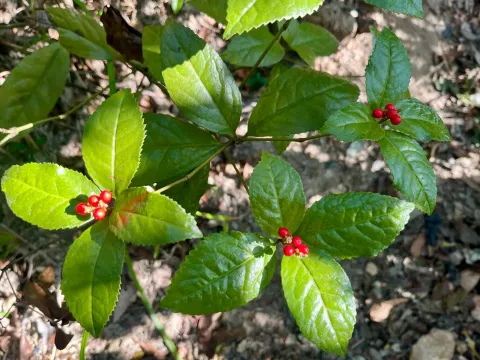
Sarcandra
Sarcandra
Sarcandra is a genus of evergreen shrubs belonging to the family Chloranthaceae. The most notable species, Sarcandra glabra, is highly valued for its medicinal properties and botanical uniqueness.
What the section contains

Sarcandra
Native to the subtropical and tropical regions of East and Southeast Asia, this plant thrives in shaded forest understories. It is biologically adapted to low-light environments, which is a critical factor for successful commercial cultivation.
The crop requires loose, nutrient-rich, well-drained soil with a slightly acidic pH level. Consistent temperatures between 15°C and 25°C are ideal for healthy growth and development.
In cultivation, artificial shading is essential to protect the plants from direct sunlight, which can inhibit growth and reduce the concentration of active pharmaceutical compounds in the tissues.
Sarcandra is primarily utilized in herbal medicine. Its roots and stems are rich in secondary metabolites such as sesquiterpenoids and coumarins, which are used to treat various inflammatory diseases and boost immune function.
Fungal diseases are the primary threat to Sarcandra plantations, particularly when air circulation is poor or humidity levels are excessively high.
Spider mites and scale insects represent the most common pest threats, often proliferating rapidly in confined greenhouse environments.
Root rot is a major risk factor caused by waterlogged soil conditions or the use of heavy growing media that lack proper drainage.
Sanitation practices, such as removing affected plant material and maintaining proper spacing, are crucial for preventing the spread of diseases.
Biological control agents are preferred over synthetic pesticides to ensure the final harvest remains clean for use in the pharmacological industry.