
Chloranthus elatior
Chloranthus elatior
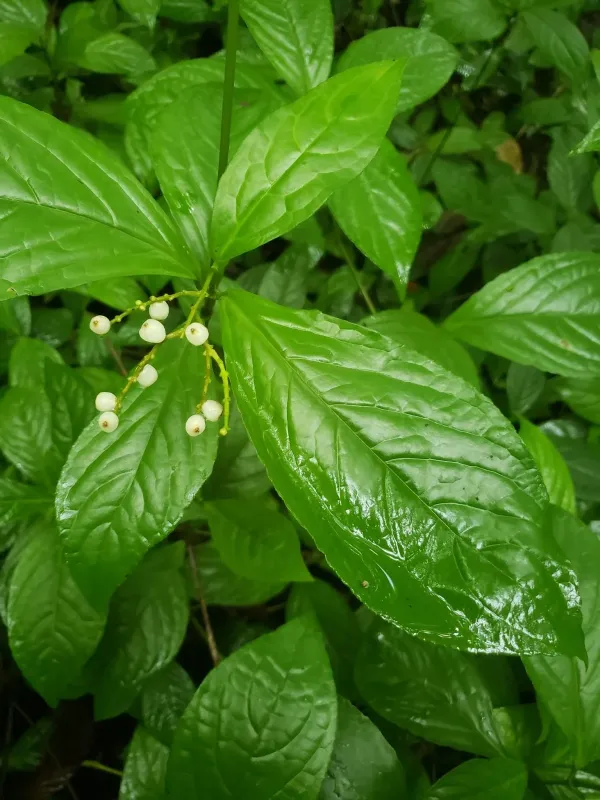
Description
Growing requirements
Chloranthus elatior is a perennial herb belonging to the Chloranthaceae family. Native to the lush tropical forests of Southeast Asia, this plant thrives in shaded, humid environments under a dense canopy of trees.
To cultivate this species successfully, growers must emulate its natural habitat. This requires high humidity levels, consistent temperatures, and a sheltered position away from direct, scorching sunlight which can damage its foliage.
The ideal soil for Chloranthus elatior is a well-draining, nutrient-rich organic medium. It should be moisture-retentive but never waterlogged, as the root system is highly sensitive to hypoxia caused by stagnant water.
Climate control is the most critical factor for cultivation, as the plant is not frost-tolerant. It requires consistent warmth throughout the year, making it an excellent candidate for greenhouse production or specialized indoor settings.
Economically, the plant is primarily cultivated for its medicinal properties. Certain parts of the plant, particularly the rhizomes, are recognized in local traditional medicine systems for their therapeutic applications.
Main diseases and pests
The most common health issues for Chloranthus elatior are fungal diseases. These are typically triggered by poor air circulation and excessive humidity, which promote the growth of pathogens on the leaves and stems.
Pest infestations, particularly spider mites, are frequent in indoor environments. These insects thrive in dry conditions and can cause significant damage to the plant's aesthetic and physiological health if not controlled.
Root rot is a major threat caused by overwatering or poor soil structure. Maintaining a rigorous drainage schedule and checking the substrate before adding more water is essential to prevent permanent damage to the plant.
Biological controls are preferred over synthetic pesticides when managing pests on this medicinal plant. This ensures that the end product remains free of harmful residues and safe for its intended use in herbal preparations.
To maintain high plant vigor, moderate fertilization is recommended during the peak growing season. Using organic, slow-release fertilizers helps avoid nutrient spikes that could weaken the plant's natural defense mechanisms.