
Chloranthus spicatus
Chloranthus spicatus
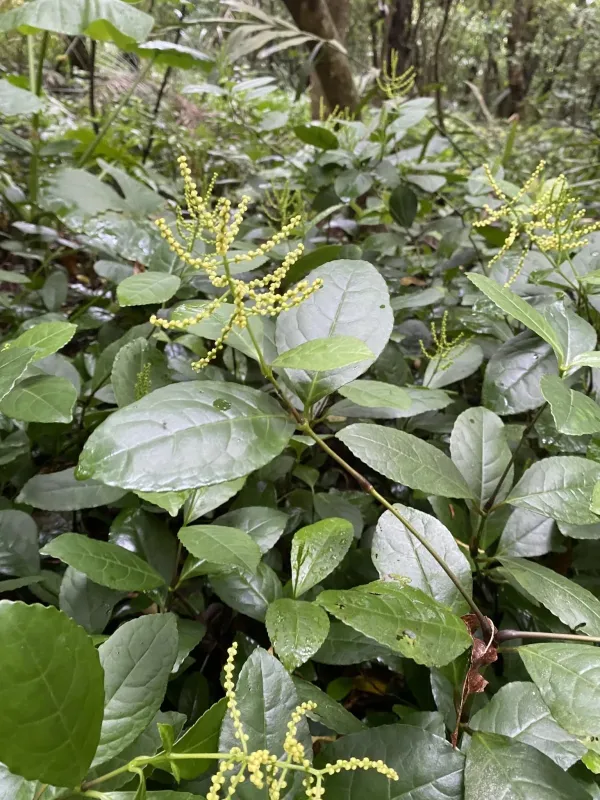
Description
Sowing dates
Propagation of Chloranthus spicatus is primarily achieved through vegetative methods such as division of the rhizomes or stem cuttings during the spring season.
Seeds can be used for propagation, but they often require a period of stratification to break dormancy and achieve successful germination rates.
Planting in the field should only occur once the risk of frost has completely passed and soil temperatures have reached an optimal level for growth.
The substrate should be rich in organic matter and well-draining to ensure the health of the young root systems during their initial development.
When grown in containers, it is essential to use a potting mix that retains moisture while preventing root waterlogging.
Growing requirements
Chloranthus spicatus is a perennial herb belonging to the Chloranthaceae family, native to the forest understories of East and Southeast Asia.
The plant thrives in partial shade, as intense direct sunlight can scorch the delicate foliage and inhibit normal growth patterns.
High humidity and consistently moist, well-drained soil are critical for maintaining the health and vigor of this particular crop.
Optimal soil conditions include a pH level that is neutral to slightly acidic, with plenty of decomposed organic material provided.
The plant is sensitive to low temperatures and generally requires protection or shelter in regions that experience cold winters.
Yield
The primary economic value of this species lies in its highly fragrant flowers, which are widely used to scent green tea and other infusions.
Yields are highly dependent on environmental conditions, particularly the balance between indirect light and atmospheric humidity levels.
Harvesting for aromatic use is performed when the flower spikes are fully open, as this is when the concentration of essential oils is highest.
Pruning spent flowers and maintaining an optimal nutritional balance can significantly enhance the quantity of biomass produced per plant.
In large-scale cultivation, managing the density of planting is essential to ensure adequate airflow and prevent the buildup of pathogens.
Main diseases and pests
Common pests include spider mites and mealybugs, which are particularly problematic in environments with low air humidity.
Fungal issues, such as root rot, frequently arise when the soil remains too wet for extended periods or if air circulation is poor.
Integrated pest management, including natural predators or mild horticultural soaps, is recommended to control populations of harmful insects.
Prevention remains the most effective strategy, involving rigorous hygiene in the growing area and regular monitoring for early signs of stress.
- Maintain appropriate moisture levels.
- Ensure adequate ventilation around plants.
- Sanitize tools and pots regularly.
Harvesting
Harvesting flower spikes should be done manually in the early morning hours to ensure maximum preservation of the volatile essential oils.
Post-harvest, the material must be dried quickly in a cool, dark environment with excellent airflow to maintain its delicate fragrance.
Storage requires air-tight packaging to prevent the loss of aroma, which is the key quality indicator for the commercial market.
Rhizomes intended for medicinal purposes are typically harvested in late autumn after the foliage has naturally begun to die back.
After excavation, rhizomes are cleaned, washed, and dried thoroughly before being processed into powders or extracts for use.