
Chloranthus japonicus
Chloranthus japonicus
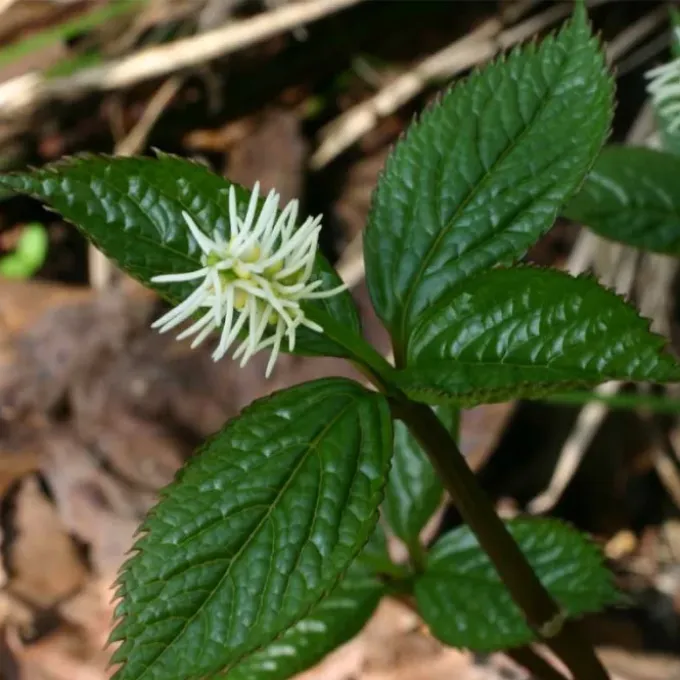
Description
Growing requirements
Chloranthus japonicus is a herbaceous perennial plant belonging to the Chloranthaceae family. Native to East Asia, it typically thrives in the understory of temperate forests, finding its natural habitat in Japan, Korea, and parts of the Russian Far East.
This species requires specific environmental conditions, primarily shade or partial shade. It is highly sensitive to direct sunlight, which can lead to leaf scorching and rapid dehydration of the foliage, so site selection is crucial for success.
The soil should be rich in organic matter, slightly acidic or neutral, and possess excellent drainage capabilities. Moisture retention is essential, but the plant cannot tolerate waterlogged conditions that induce root suffocation.
Climatically, it is a hardy perennial adapted to cool, moist environments. It performs best in regions where temperatures remain moderate during the growing season and where the soil does not dry out completely between waterings.
In terms of agricultural management, regular maintenance of soil structure through organic mulch is recommended. This practice not only helps retain essential moisture but also mimics the forest floor environment the plant requires for robust growth.
Main diseases and pests
The most significant threat to the health of Chloranthus japonicus is the combination of poor soil drainage and high humidity. These conditions are ideal breeding grounds for various soil-borne pathogens and root rot-inducing fungi.
Pests such as gastropods, specifically slugs and snails, represent a persistent nuisance in shady, moist garden settings. They feed on the succulent leaves, causing structural damage that can weaken the plant over time.
Foliar diseases, such as fungal spotting, may emerge if air circulation is insufficient. Ensuring proper plant spacing is an important agronomic step to maintain a microclimate that prevents fungal spread.
Management of these threats is best achieved through integrated cultural practices rather than heavy reliance on chemical agents. Maintaining a clean garden bed free of weeds and debris reduces the risk of pest infestation.
The plant exhibits moderate resistance to standard pests, provided that the growing environment is correctly managed. Careful observation during the peak growing season is the most effective way to address potential health issues before they become chronic.