
Chloranthus serratus
Chloranthus serratus
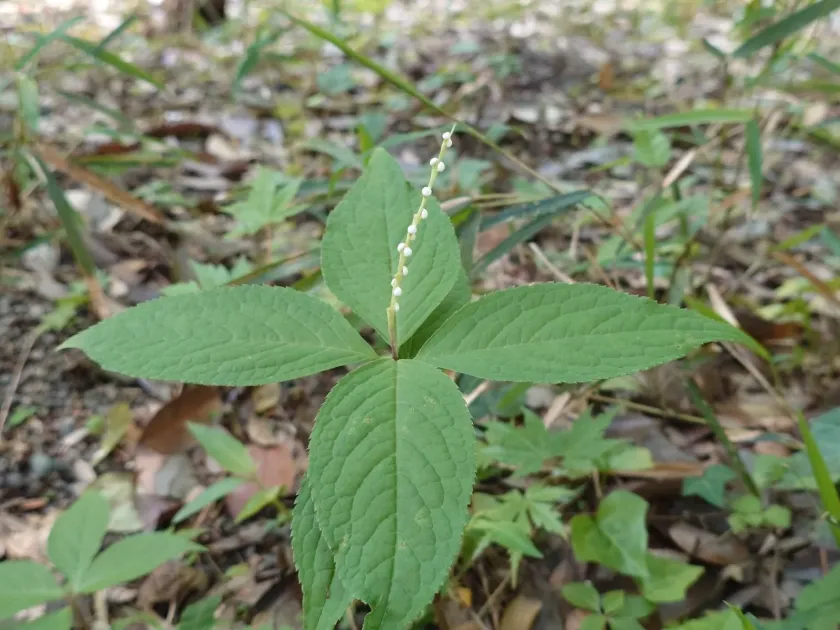
Description
Growing requirements
Chloranthus serratus is a perennial herbaceous plant belonging to the Chloranthaceae family. Native to East Asian forests, it thrives in environments characterized by high humidity and shaded conditions, typically found in mountainous regions.
The crop requires fertile, well-drained, and humus-rich soil to reach optimal growth. Water retention is essential, yet the soil must not become waterlogged, as the root system is highly sensitive to hypoxia, which can lead to rapid decay.
As a shade-loving species, it requires protection from intense sunlight. Excessive exposure to direct light results in leaf scorching and stress, reducing the quality of the harvested biomass. In cultivation, natural canopy cover or artificial shading structures are mandatory.
Climatic requirements involve stable temperatures and high air humidity. The plant is best suited for regions with moderate to cool summers and consistent rainfall, as it does not possess high drought tolerance.
Botanically, it is defined by its serrated leaves and unique, small spikes of flowers. Its economic value is primarily linked to its application in traditional herbal medicine, where it is valued for specific bioactive compounds present in its foliage and stems.
Main diseases and pests
Root rot and fungal infections represent the most significant threats to Chloranthus serratus crops, particularly in poorly aerated or overly damp soil conditions. Effective drainage management is the primary defense against these pathogens.
Slugs and snails are the most common pests, as they are attracted to the succulent leaves of the plant. Maintaining clean surroundings and using physical barriers or organic pest control methods can effectively protect the plants from damage.
Weed management is vital during the early establishment phase of the plant. Since growth is relatively slow, aggressive weed species can easily outcompete the crop for nutrients and light if not strictly controlled.
Monitoring the plants for discoloration or signs of leaf spots is essential for preventing disease outbreaks. Early detection allows for localized intervention, preventing the spread of pathogens across the entire cultivated area.
Adopting sustainable agricultural practices, including balanced fertilization and proper spacing between plants, ensures better air circulation, which naturally minimizes the occurrence of most common fungal diseases in the crop.