
Glyptopetalum
Glyptopetalum
Glyptopetalum is a genus of evergreen shrubs and small trees belonging to the Celastraceae family. Native primarily to the tropical and subtropical regions of Southeast Asia, these plants are known for their dense foliage and specific ecological niches within tropical forest systems.
What the section contains
Glyptopetalum
The cultivation of this genus requires strict adherence to warm climate conditions. These plants thrive in high temperatures and constant humidity, making them sensitive to cold stress. In non-tropical regions, they are cultivated exclusively in greenhouses or controlled indoor environments.
Soil requirements for Glyptopetalum include well-drained, nutrient-rich, and slightly acidic to neutral substrates. Proper aeration of the root zone is crucial, as the genus is highly susceptible to root decay if the substrate becomes waterlogged or overly compacted.
Regarding light exposure, the plants prefer bright, indirect sunlight. In their native habitat, they function as understory shrubs, meaning they are adapted to filtered light. Excessive direct sunlight can scorch the leaves, while insufficient light leads to sparse growth and reduced vigor.
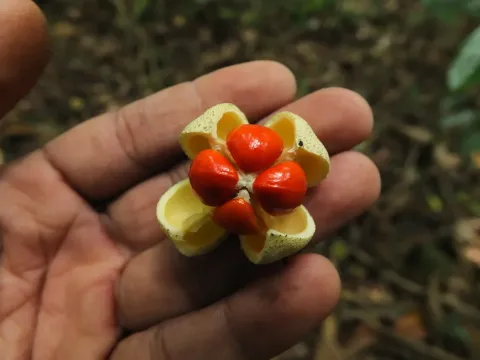
Botanically, the genus is characterized by leathery, opposite leaves and small inflorescences. The fruit consists of dehiscent capsules that often feature bright arils upon opening, which serve as a mechanism for seed dispersal by various forest fauna in the wild.
Common health issues for Glyptopetalum species in cultivation are usually related to improper environmental management, specifically poor ventilation and excessive moisture. These conditions often lead to fungal infections such as leaf spots and root rots.
Pest threats include typical tropical ornamental plant enemies like spider mites, scale insects, and mealybugs. These sap-sucking pests can cause significant damage to the foliage and weaken the plant's overall structural integrity if left unchecked.
Management strategies focus on early detection and maintaining good cultural practices. Regular inspection of the undersides of leaves is essential for identifying early signs of pest infestation, allowing for quick intervention with suitable horticultural oils or soaps.
Providing adequate spacing between plants is a vital agrotechnical measure to improve airflow and reduce the humidity levels that favor pathogenic fungi. Furthermore, ensuring that the irrigation system does not wet the foliage unnecessarily helps prevent disease spread.
Finally, balancing nutrient intake is key to supporting plant resilience. While fertilizers help maintain vigor, excessive nitrogen levels should be avoided to prevent the development of soft, succulent tissue that is particularly attractive to common insect pests.