
Dipelta elegans
Dipelta elegans
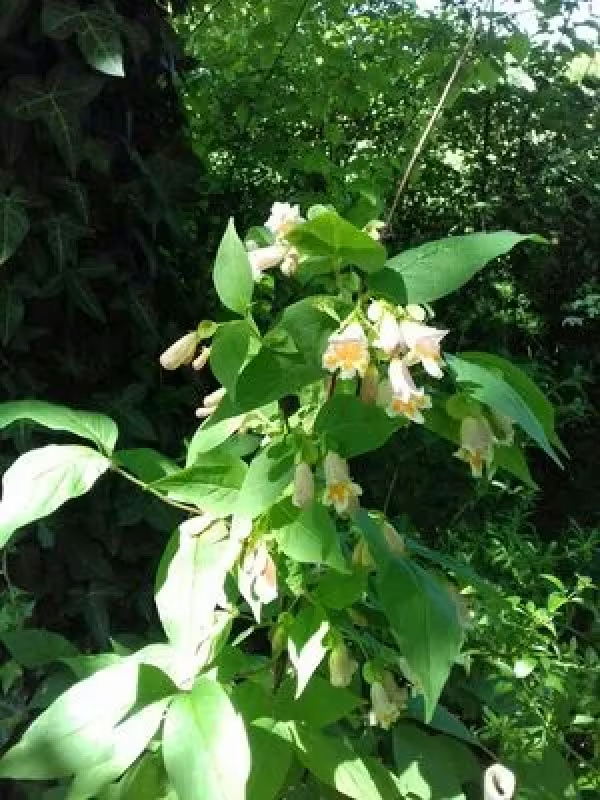
Description
Growing requirements
Dipelta elegans is a deciduous shrub belonging to the family Caprifoliaceae. Native to the mountainous forests of China, this species is highly valued in horticulture for its elegant foliage and unique, bell-shaped flowers.
The plant thrives in well-drained, fertile, and slightly acidic to neutral soils. It requires consistent moisture levels to establish a strong root system, making site selection with access to supplemental irrigation highly beneficial.
For optimal growth, Dipelta elegans should be planted in a location that receives full sun to light shade. Protection from harsh, drying winds is crucial, especially in regions with cold winter climates where the plant may be vulnerable to frost damage.
Cultural practices include the application of organic mulch around the root zone, which helps regulate soil temperature and moisture content. This mimicks the plant's natural forest-floor habitat and encourages vigorous spring growth.
Regular maintenance involves light pruning after flowering to maintain the plant's shape and encourage the development of new flowering wood for the following season. It is a slow-growing shrub that rewards patience with its unique floral display.
Main diseases and pests
While generally robust, Dipelta elegans can be susceptible to fungal diseases such as powdery mildew, especially if planted in areas with poor air circulation. Proper spacing between shrubs is essential to prevent these issues.
Aphids are the most common insect pests, typically attacking new, tender growth in the spring. Integrated pest management, including the encouragement of natural predators like ladybugs, is often sufficient for minor infestations.
Leaf spots may occur during exceptionally wet seasons. These are best managed by removing infected foliage and ensuring that the plant is not overcrowded by surrounding vegetation, which prevents excessive humidity.
Root rot can become a significant issue if the shrub is planted in heavy, waterlogged clay soils. Ensuring proper drainage at the time of planting is the most effective preventative measure against this threat.
Monitoring the shrub regularly during the growing season allows for early intervention. Keeping the plant vigorous through proper watering and fertilization naturally improves its resistance to various environmental stresses.