
Dipelta ventricosa
Dipelta ventricosa
Description
Growing requirements
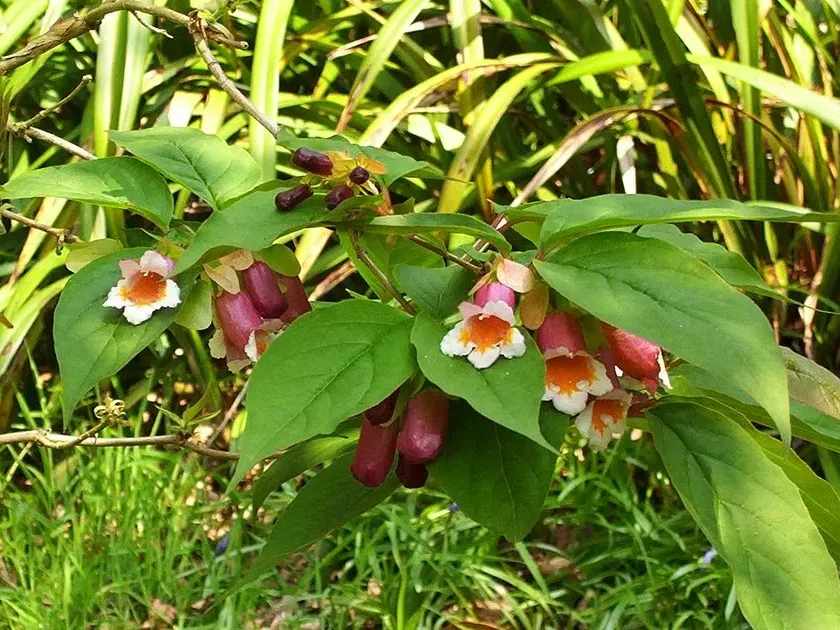
Dipelta ventricosa is a deciduous flowering shrub belonging to the Caprifoliaceae family. Native to the mountain slopes of China, this species is highly valued for its striking, inflated bracts and bell-shaped flowers that appear in late spring.
This shrub typically reaches a height of 2 to 3 meters, showcasing a spreading habit with elegant foliage. It is best suited for temperate climates where it can benefit from a sheltered position, avoiding harsh winds that could damage its flowers.
The plant thrives in fertile, well-draining soils with an acidic to neutral pH. It requires consistent moisture throughout the growing season but is intolerant of waterlogged conditions, which can lead to rapid root decline.
When selecting a planting site, choose a spot with full sun to partial shade. Partial shade is particularly beneficial in regions with intense summer heat, as it helps keep the root zone cool and prevents leaf scorching.
Regular maintenance includes applying a layer of organic mulch around the base of the plant to retain soil moisture and suppress weeds. Pruning should be carried out after flowering to encourage new growth and maintain the desired shape.
Main diseases and pests
Powdery mildew is the most common fungal disease affecting Dipelta ventricosa, especially in humid conditions with poor air circulation. Improving airflow through selective pruning is an essential preventative cultural practice.
Leaf spot diseases can also occur, primarily during wet seasons. Infected foliage should be removed and disposed of properly to reduce the inoculum load, followed by the application of copper-based fungicides if necessary.
Aphids can be a recurring problem, particularly on the tender new growth of the plant. A strong stream of water or insecticidal soap is usually effective for managing minor infestations without harming beneficial garden insects.
Spider mites may infest the shrub during prolonged hot and dry periods. Maintaining proper soil moisture and periodic misting of the foliage can help create an environment that is less conducive to mite development.
Root rot, often caused by poorly drained soils or overwatering, poses a severe threat to the plant's health. Ensuring a high-quality drainage system at the time of planting is the most effective way to avoid this fatal issue.