
Dipelta floribunda
Dipelta floribunda
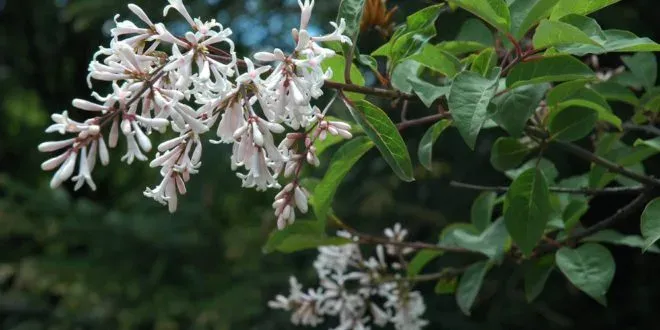
Description
Growing requirements
Dipelta floribunda is a graceful deciduous shrub belonging to the Caprifoliaceae family. Native to the mountain forests of China, this plant is valued in horticulture for its spectacular spring flowering and elegant architectural growth habit.
The plant thrives best in a position that provides full sun to light shade. While it is quite adaptable, exposure to direct sunlight is essential for the optimal production of its characteristic pink, trumpet-shaped flowers during the late spring season.
Soil requirements focus on fertility and drainage. Dipelta prefers deep, humus-rich, well-draining soils that remain moist but never waterlogged. Incorporating organic matter such as compost or well-rotted manure during planting enhances the structure and nutrient content of the soil.
Regarding climate, the plant prefers temperate conditions. While it is hardy in many regions, young specimens benefit from shelter in colder climates to prevent dieback of succulent new growth caused by late frosts.
Maintenance includes consistent watering, particularly during dry spells, and mulching the base to maintain even soil temperatures. Annual pruning should be performed after flowering to remove old wood and encourage the growth of new, vigorous stems for the following season.
Main diseases and pests
Dipelta floribunda is generally robust and free from serious pests or diseases when cultivated under favorable conditions. It is considered an easy-care shrub for collectors and landscape architects looking for unique botanical features.
The most common issues arise from poor drainage, which can lead to root rot. To mitigate this risk, it is recommended to plant the shrub on slightly elevated sites or ensure the inclusion of grit or gravel in the planting hole to improve soil aeration.
Aphids can occasionally colonize young leaves during the early summer, but they rarely cause significant damage to established shrubs. Monitoring and mechanical removal are often sufficient, though mild soap sprays can be used for larger infestations.
Fungal leaf spots may occur in environments with extremely poor air circulation. Proper spacing between shrubs and thinning out overcrowded branches within the canopy will significantly reduce the risk of humidity-related pathogens.
No specific soil-borne pests are associated with this culture in general gardening practice. Maintaining a healthy, vigorous plant through balanced nutrition and proper watering is the best defense against any potential biological stressors.