
Five-loculed honeysuckle
Lonicera quinquelocularis
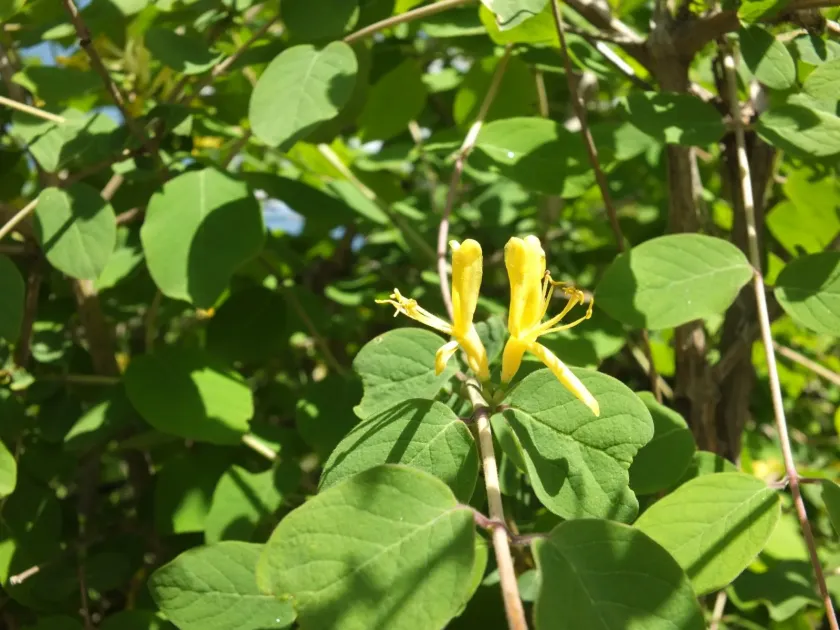
Description
Growing requirements
Five-loculed honeysuckle (Lonicera quinquelocularis) is a deciduous shrub species belonging to the Caprifoliaceae family. It is native to the mountainous regions of Central and Southwestern Asia, thriving in diverse altitudes.
The plant requires full sun to partial shade for optimal growth and development. It thrives in temperate climates and prefers well-drained, fertile soil rich in organic matter to sustain its vigorous yearly growth cycle.
Soil drainage is critical for this species, as it does not tolerate waterlogged conditions which can lead to root decay. Loamy soils with a neutral pH balance are considered ideal for its cultivation.
Regarding moisture, the plant requires consistent watering during the dry summer months. Mulching around the base of the shrub helps in moisture retention and suppresses weed competition effectively.
Maintenance involves annual pruning to manage the size and shape of the bush. Pruning should be performed during the dormant season to encourage a dense structure and stimulate healthy blooming in the spring.
Main diseases and pests
The shrub is susceptible to common fungal issues such as powdery mildew, especially in environments with high humidity and poor airflow around the foliage.
Pests that frequently target this honeysuckle include aphids and leaf-rolling caterpillars. Early detection is essential to prevent these insects from causing significant aesthetic or physiological damage.
Chemical control should be implemented using appropriate insecticides, following local safety guidelines to minimize harm to beneficial pollinators visiting the flowers.
Cultural practices such as removing fallen leaves and pruning away infected branches significantly reduce the inoculum load of diseases for the following growing season.
Balanced fertilization is advised to keep the plant vigorous; a weak or stressed plant is notably more prone to infestation by secondary pests and opportunistic pathogens.