
Purple lobelia
Lobelia purpurascens
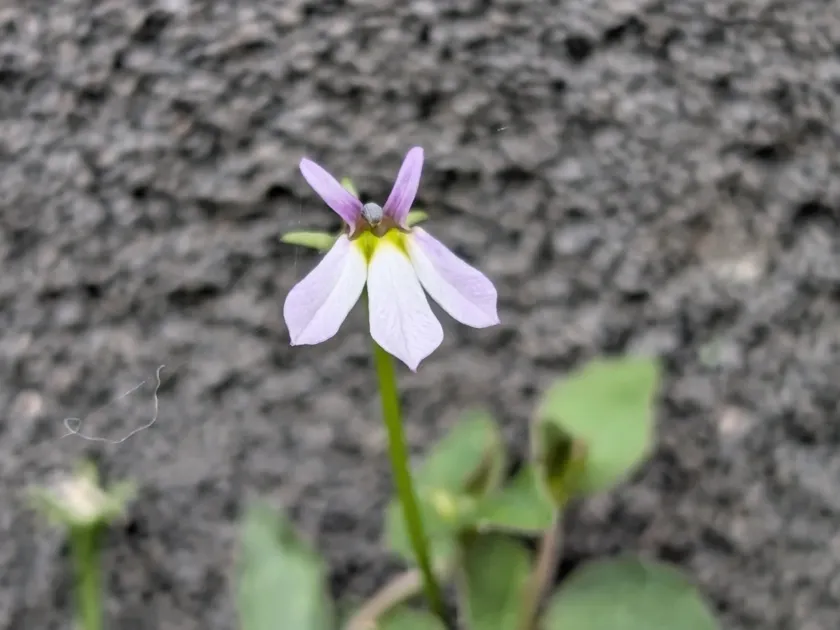
Description
Sowing dates
Purple lobelia (Lobelia purpurascens) is a charming ornamental species often grown in containers or garden beds. Propagation typically begins with indoor sowing in late winter to ensure strong seedlings are ready for the spring planting season.
The seeds are microscopic, requiring surface sowing on a fine, moist potting mix. It is essential not to cover the seeds with soil, as they need exposure to indirect light to trigger the germination process successfully.
Maintaining a consistent humidity level is crucial during the early stages of growth. Using a clear plastic cover or a propagation dome helps create a stable microclimate, which is vital for these delicate seedlings.
Pricking out the seedlings into small clumps is a standard practice for this plant. This method encourages the development of lush, dense foliage, which is characteristic of healthy, well-cared-for lobelia specimens.
Transplanting to an outdoor location should occur only after the risk of frost has completely passed. Acclimatizing the plants through a hardening-off process is recommended to help them adjust to outdoor wind and sun intensity.
Growing requirements
As a member of the Campanulaceae family, purple lobelia thrives in conditions that mimic its natural habitat. It prefers well-drained, fertile soil with a neutral to slightly acidic pH, which provides the necessary nutrients for its growth.
Adequate water supply is one of the most significant requirements for this crop. The soil should never be allowed to dry out completely, as this often leads to stunted growth or premature browning of the stems and leaves.
Sunlight exposure is equally important, as the plant prefers bright, indirect light or partial shade. In regions with extremely hot summers, protecting the plants from intense afternoon sun is vital to prevent heat stress.
Regular fertilization with a balanced, water-soluble fertilizer helps maintain the vibrant color of the flowers. Low-nitrogen formulas are usually preferred during the flowering stage to prioritize blooms over vegetative growth.
Routine deadheading is an essential maintenance task. By removing spent flowers, gardeners can encourage the plant to continue producing new buds, thereby extending the blooming period throughout the entire season.
Main diseases and pests
The primary threats to purple lobelia include fungal pathogens such as root rot and powdery mildew. These diseases are usually triggered by poor drainage, excessive humidity, or lack of proper air circulation around the plants.
Pests like aphids and spider mites can be problematic, especially during periods of dry, warm weather. These small pests can significantly weaken the plant by feeding on the sap of the succulent leaves and stems.
Proactive management of the planting site is the best defense against threats. Ensuring proper spacing between individual plants allows for adequate airflow, which naturally reduces the risk of fungal outbreaks.
If an infestation occurs, the use of mild horticultural soaps or systemic insecticides is advised to protect the health of the plants. It is important to apply these treatments in the early morning or evening to avoid any chemical damage.
Regular monitoring of the garden bed helps identify early signs of stress or pest activity. Early intervention is key to preventing widespread damage and maintaining the aesthetic value of the ornamental display.