
Mountain lobelia
Lobelia montana
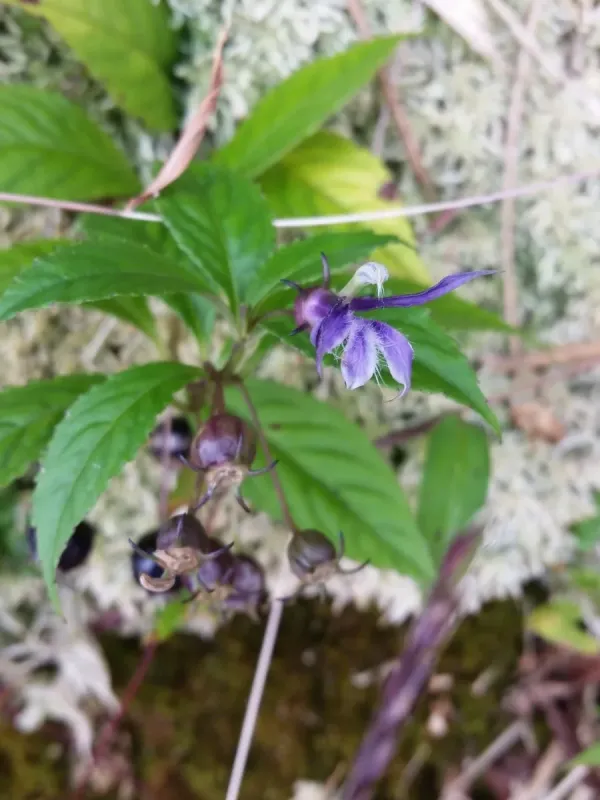
Description
Sowing dates
Mountain lobelia (Lobelia montana) is an herbaceous perennial that belongs to the Campanulaceae family. While primarily valued for its aesthetic appeal, successful cultivation requires attention to specific botanical needs during the initial stages of its lifecycle.
The seeds of this species are remarkably fine, requiring careful handling during the sowing process. They are typically started indoors in late winter, surface-sown on a moist, sterile seed-starting mix, and left uncovered to receive sufficient light for germination.
Maintaining a consistent temperature between 20°C and 22°C is essential for uniform germination, which generally occurs within two weeks. Once the seedlings develop their first true leaves, they should be carefully pricked out and transplanted into larger cells.
Hardening off the seedlings is a critical step before transferring them to the outdoor garden. This process allows the young plants to acclimate to outdoor conditions, reducing transplant shock and ensuring more vigorous establishment in the final location.
Outdoor planting should only occur after all risks of frost have passed. Providing sufficient space between plants is vital to ensure healthy development and to allow for adequate airflow, which is a key factor in preventing disease outbreaks.
Growing requirements
This species thrives in locations that provide plenty of bright, indirect light. While it can tolerate some morning sun, protecting it from the harsh heat of midday is beneficial, especially in warmer climates where extreme temperatures can cause stress.
Well-draining, moderately fertile soil with a slightly acidic to neutral pH is ideal. If the native soil is heavy or clay-based, it must be amended with organic matter or sand to ensure that roots do not remain waterlogged, as this is a common cause of failure.
Consistent moisture is necessary, but the soil should be allowed to dry slightly between waterings. Overhead irrigation should be avoided to minimize the risk of fungal growth on the foliage, making drip irrigation a preferred method for commercial or home cultivation.
Fertilizer application should be approached with caution. Excessive nitrogen can lead to rapid, lush growth that lacks structural integrity and produces fewer flowers, so balanced, slow-release fertilizers are generally recommended for optimal floral display.
Weed management and regular soil surface maintenance are essential for mountain lobelia. Keeping the area free from invasive weeds prevents competition for vital nutrients, ensuring the plant has the resources needed for sustained flowering throughout the season.
Main diseases and pests
Root rot is the most significant threat to mountain lobelia, often triggered by overwatering or poor soil drainage. If the root system becomes compromised by pathogenic fungi, the plant will decline rapidly, often showing signs of wilting despite moist soil.
Powdery mildew represents a major concern during periods of high humidity and poor air circulation. This fungal disease creates a white, dusty film on leaves, which can severely hinder photosynthesis and reduce the plant's overall vitality if left untreated.
Pests such as spider mites are particularly problematic during hot, dry summer weather. These pests colonize the underside of leaves, causing them to yellow and drop prematurely, necessitating early detection and the use of targeted control measures.
Aphids can also infest the tender new growth and flower buds, extracting sap and potentially transmitting viral diseases. Regular monitoring allows for early intervention, often through simple physical removal or the application of organic insecticidal soaps.
To mitigate the risk of these threats, gardeners should prioritize plant hygiene by removing dead or diseased foliage immediately. Maintaining proper spacing and avoiding high-nitrogen fertilizers also play a significant role in fostering resilient plants.