
Puerto Rican lobelia
Lobelia portoricensis
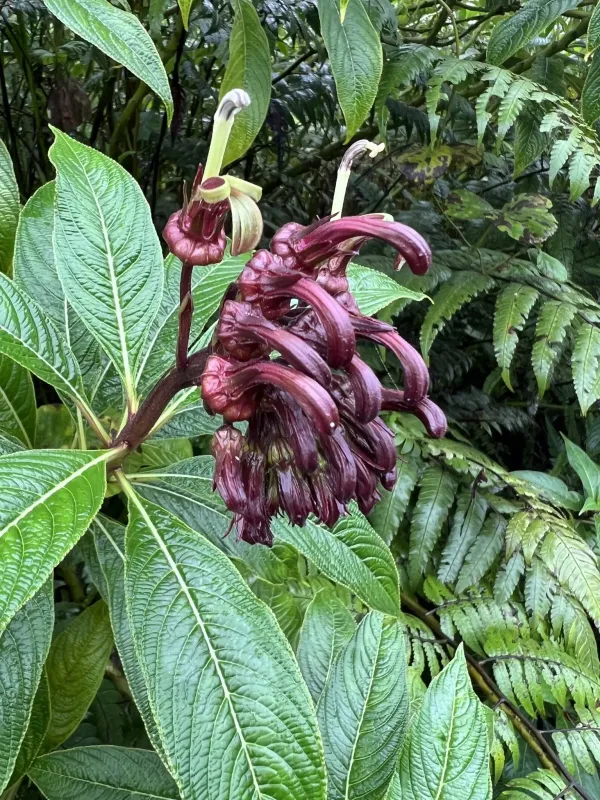
Description
Growing requirements
Puerto Rican lobelia (Lobelia portoricensis) is a distinctive perennial belonging to the Campanulaceae family. It is a rare endemic species native to the cloud forests of Puerto Rico, where it has evolved to thrive in high-altitude environments.
The plant requires specific microclimatic conditions, characterized by consistently high humidity and moderate temperatures. It is highly sensitive to heat stress and prefers filtered or indirect lighting conditions over full sun exposure.
Cultivation success depends on the quality of the substrate, which should be light, well-draining, and rich in organic matter. A mix containing peat, perlite, and leaf mold mimics its natural forest floor habitat effectively.
Botanically, this species is noted for its elegant, tubular flowers and dense, lanceolate foliage. Its growth habit is typically upright, making it an attractive specimen for specialized indoor collections or greenhouse displays.
The primary horticultural use of Lobelia portoricensis is as an ornamental plant for botanical gardens and professional collections. It is not considered a mass-market agricultural crop, but rather a rare plant of interest for conservation and horticultural research.
Main diseases and pests
The most significant threat to this species in cultivation is root rot, triggered by waterlogged conditions and poor drainage. Ensuring the substrate does not stay overly saturated is critical for the long-term survival of the plant.
Fungal diseases, such as powdery mildew, often occur when airflow around the foliage is insufficient. Maintaining a gentle breeze or ventilation in the greenhouse helps mitigate this risk significantly.
Spider mites are common pests that thrive on the undersides of the leaves, especially in warm and less humid conditions. Regular monitoring is essential to catch early infestations before they cause severe damage.
Aphids can target the delicate flower buds, affecting the blooming process and overall plant vigor. If detected, prompt treatment with insecticidal soaps or biological controls is recommended for delicate botanical specimens.
Foliar nematodes and other soil-borne pathogens can negatively impact the health of Puerto Rican lobelia. Using sterilized potting media is the most effective preventative measure against these invisible threats to the plant's root system.