
Monopsis debilis
Monopsis debilis
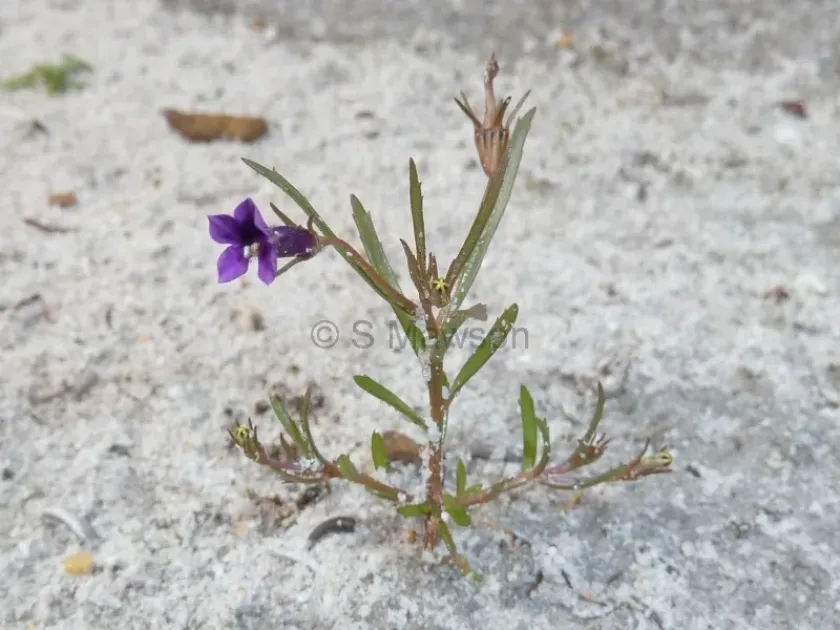
Description
Sowing dates
Sowing seeds of Monopsis debilis is typically carried out in the spring, once the threat of night frosts has passed. For earlier flowering, starting the seeds indoors in a greenhouse environment is highly recommended.
The optimal time for indoor sowing is March or early April, allowing the plants to become robust before transplanting into the open ground. Seeds should be sown in a light, well-draining substrate and lightly covered with soil or sand.
When sowing directly into the ground, it is essential to ensure stable soil temperatures, as germination can be uneven. The planting area should be meticulously prepared and cleared of weeds.
Seedlings require careful watering and adequate light to develop a strong root system. Pricking out is performed when the first pair of true leaves appears to prevent overcrowding of the plants.
In regions with cooler climates, transplanting hardened seedlings to their permanent location is planned for late May, once the soil has warmed up to stable positive temperatures.
Growing requirements
Monopsis debilis belongs to the Campanulaceae family and is an elegant herbaceous plant. In its natural habitat, it favors moist locations, often growing along water bodies or in damp meadows.
The crop requires sunny exposure to fully form its flower spikes, although in regions with extremely hot climates, light shading during midday hours is acceptable.
The soil for cultivation should be rich in organic matter, have good moisture retention, and maintain a neutral or slightly acidic pH. Excessive drying of the substrate is detrimental to this species.
A key requirement is regular watering, which maintains consistent moderate soil moisture without water stagnation near the root system. Over-watering combined with low temperatures can lead to rot.
The plant is valued for its decorative appeal in landscape design, especially when decorating the shoreline of artificial ponds, where conditions are closest to the species' natural habitats.
Main diseases and pests
The primary threats to Monopsis are fungal diseases that develop when humidity levels are not properly managed. Gray mold and powdery mildew can infect the above-ground parts of the plant if air circulation is poor.
Pests such as aphids and spider mites can settle on young shoots, particularly in greenhouse conditions. Regular inspection of the plants allows for the early detection of infestations and the application of appropriate biological insecticides.
Slugs and snails pose a serious danger to young seedlings in open ground, feeding on tender leaves and stems. Installing barriers or using gravel mulch is highly recommended.
Root rots caused by water stagnation are the most difficult pathologies to treat. Prevention consists of adhering to proper irrigation agrotechnics and ensuring high-quality drainage.
To maintain the health of the culture, it is recommended to remove damaged plant parts, which improves air circulation and reduces the risk of secondary infections.