
Lusitanian bellflower
Campanula lusitanica
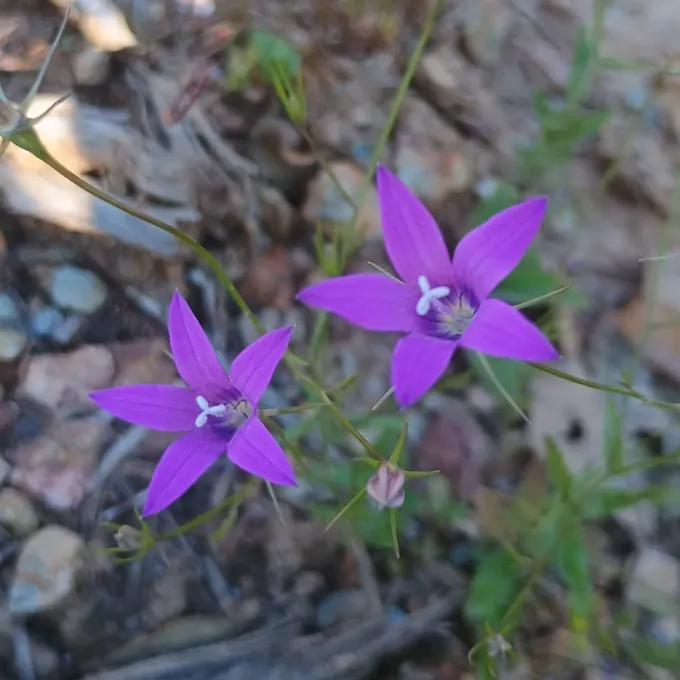
Description
Sowing dates
The Lusitanian bellflower (Campanula lusitanica) is a charming species within the Campanulaceae family, known for its elegant floral displays. This plant is highly regarded by gardeners for its ability to add a delicate texture to garden borders and rockeries.
Sowing should take place in early spring once the risk of frost has passed. Seeds require a consistent temperature, ideally around 15 degrees Celsius, to germinate effectively. The small size of the seeds necessitates careful placement on the soil surface.
For greenhouse or container production, seeds can be started indoors in late winter. Using a light, well-draining seed-starting mix will encourage strong root development, allowing for earlier blooms when the plants are eventually moved outdoors.
Direct seeding in the garden requires a well-prepared seedbed. The soil should be fine-textured to ensure the tiny seeds maintain contact with the earth, which is essential for successful hydration and subsequent germination.
Spacing is vital for the health of the plants. Seedlings should be thinned or transplanted to be at least 20 cm apart. Adequate spacing ensures sufficient airflow, which is a primary defense against the humidity-related diseases common to this species.
Growing requirements
This plant thrives in sunny to partial-shade locations. While it appreciates full sun, it can adapt to lighter shade in hotter climates, which helps preserve soil moisture and prevents the plants from wilting during peak heat.
The ideal soil is rich in organic matter and possesses excellent drainage. Heavy clay soils should be amended with sand or compost to prevent waterlogging, as the root system of the Lusitanian bellflower is prone to decay if kept in wet conditions.
Watering should be consistent but not excessive. During the vegetative stage, keeping the soil moderately moist is key to plant health. Once established, the plants show a degree of tolerance, though they still perform best with regular supplemental irrigation.
Nutrient management is important for floral output. A balanced, low-nitrogen fertilizer applied during the early stages of growth supports healthy foliage, while a potassium-rich feed just before blooming enhances the quality of the flowers.
The cultural practice of deadheading spent blooms is highly recommended. Not only does this improve the appearance of the garden, but it also redirects the plant's energy toward forming new buds, thereby extending the overall flowering period.
Main diseases and pests
Powdery mildew is a frequent issue, particularly in humid or stagnant air conditions. Ensuring proper spacing and selecting well-ventilated areas for planting are the best preventative measures against this fungal pathogen.
Root rot remains the most serious threat caused by poor drainage. Recognizing early signs of yellowing or wilting in the lower foliage can help in diagnosing this issue before it leads to complete plant loss.
Slugs and snails can cause significant damage to young seedlings. Implementing physical barriers, such as copper tape or crushed eggshells, can protect the tender growth from these common garden pests effectively.
Aphids might infest the succulent stems, especially if the plants are stressed by drought or nutrient imbalance. Targeted spraying with insecticidal soap is usually sufficient to manage these infestations without harming local pollinators.
Maintaining a clean garden environment by removing weeds and plant debris is crucial. These practices reduce the habitat for pests and prevent the carry-over of pathogens from one growing season to the next.