
Lobelia zeylanica
Lobelia zeylanica
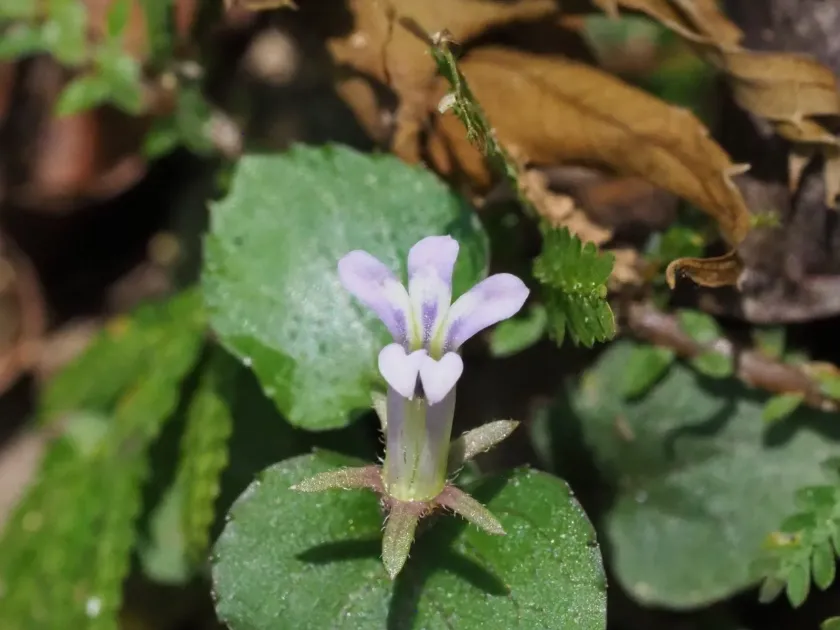
Description
Sowing dates
Lobelia zeylanica is a tropical plant that requires careful temperature control during the germination stage. Sowing should be carried out in early spring, utilizing a fine-textured, well-draining seed starting mix to ensure the tiny seeds do not bury too deeply.
Because the seeds are extremely small, surface sowing is recommended. Pressing them gently into the substrate without covering ensures they receive the light exposure necessary to trigger the germination process effectively.
A consistent temperature between 22 and 25 degrees Celsius is essential during the initial weeks. Maintaining high humidity through the use of a plastic cover or misting system helps support the delicate emerging seedlings.
Transplanting occurs once the plants have developed two or three sets of true leaves, requiring careful handling of the root system. Gradual acclimatization to outdoor conditions is necessary to prevent transplant shock.
Space the plants approximately 20 centimeters apart to provide sufficient room for healthy foliage development. Proper spacing is crucial for airflow, which significantly reduces the risk of fungal infections in humid conditions.
Growing requirements
Belonging to the Campanulaceae family, Lobelia zeylanica thrives in tropical forest habitats characterized by stable warmth and high moisture. It performs best in partial shade, as intense direct light can scorch its tender foliage.
The ideal growing medium must be nutrient-rich, organic, and moisture-retentive. Soil pH should ideally be maintained between 6.0 and 7.0 to ensure optimal nutrient uptake and overall plant vigor throughout the growing season.
Water management is critical for this species; the substrate should remain consistently moist but never waterlogged. Poor drainage can quickly lead to root decay, so adding perlite or vermiculite to the mix is highly advisable.
Temperature requirements are strictly tropical, ranging from 20 to 28 degrees Celsius. The plant is sensitive to cold snaps and will suffer immediate physiological damage if temperatures drop below the 10-degree threshold.
Fertilization should be applied lightly on a bi-weekly basis during the peak growth phase. Utilizing a balanced liquid fertilizer helps maintain the vibrant color of the leaves and encourages robust stem structure.
Main diseases and pests
The most frequent threats to Lobelia zeylanica are common greenhouse pests such as spider mites and whiteflies, which thrive in the same warm, humid conditions favored by the plant. Regular monitoring is essential for control.
Root rot, driven by stagnant water or compacted soil, represents a primary pathological threat. Preventing this requires diligent maintenance of drainage systems and avoiding over-irrigation during cooler, cloudy days.
Powdery mildew is a common fungal issue that arises when air circulation is poor or humidity levels fluctuate excessively. Fungicide applications combined with thinning out dense plantings can effectively mitigate this problem.
Bacterial leaf spot may occur under conditions of excessive moisture and poor sanitation. Removing infected leaves promptly and disinfecting tools used in the garden helps to break the cycle of infection between plants.
Slugs and snails can cause significant damage to young shoots in outdoor settings. Implementing barrier methods, such as copper tape or organic baits, serves as an effective strategy for protecting the crop during its early stages.