
Codonopsis foetens
Codonopsis foetens
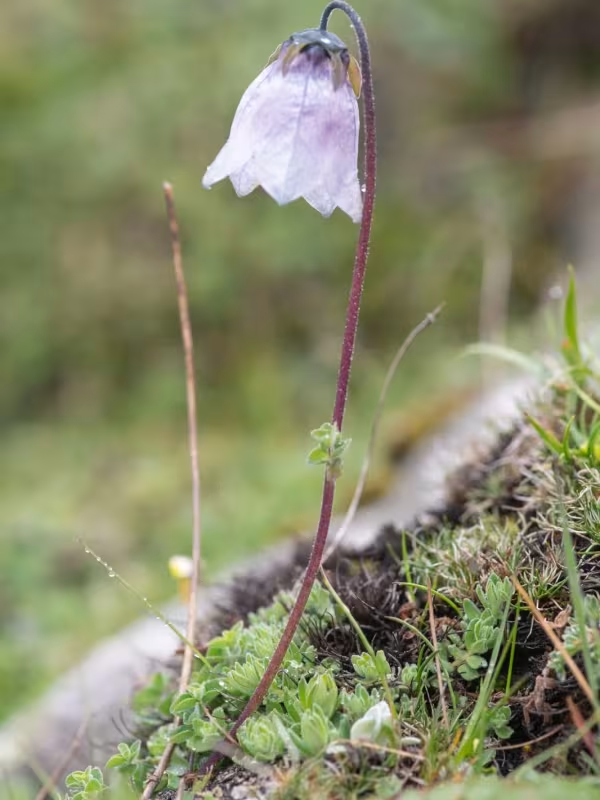
Description
Sowing dates
Sowing of Codonopsis foetens is typically conducted in the spring once soil temperatures reach a consistent 10–12 degrees Celsius. Seeds are small and require careful handling to ensure uniform distribution and proper soil contact.
The seeds should be sown in rows, with a spacing of approximately 30 to 40 centimeters, allowing for adequate space for the plants to spread. It is crucial not to bury the seeds too deep, as they need a minimal amount of light to stimulate germination.
Germination can be slow and sporadic; therefore, providing a consistent moisture level is essential for the first few weeks. Covering the seedbed with a thin layer of fine organic matter or a protective fleece can enhance success rates.
For large-scale production, mechanical seeders calibrated for small seeds are used to ensure the correct planting density. Proper row spacing not only facilitates weed control but also optimizes the sunlight exposure for the developing seedlings.
Fall sowing is an alternative method in regions with cold winters, allowing the seeds to undergo natural stratification during the winter months, which often results in more vigorous and uniform germination in the early spring.
Growing requirements
Codonopsis foetens is a member of the Campanulaceae family, characterized by its tuberous roots and distinct, pungent odor. It is primarily valued as a medicinal herb, thriving in temperate to sub-alpine climatic zones.
The plant requires deep, fertile, and well-draining soils. While it appreciates moisture, it is highly sensitive to waterlogging, which often leads to root rot. Soils with a high percentage of organic content are ideal for maximizing growth.
Regarding climate, this species prefers locations with moderate exposure to sunlight, ideally avoiding intense midday heat. In warmer climates, providing partial shade during the hottest hours of the day is a common agricultural practice.
Nutrient management is key; the application of balanced organic fertilizers during the early growth phase promotes strong foliage and root development. Maintaining a consistent soil pH, generally between 6.0 and 7.0, is necessary for optimal nutrient uptake.
Winter dormancy is a normal phase for this perennial. In areas prone to heavy frosts, mulching with straw or leaf mold provides the necessary protection to the crown of the plant, ensuring survival until the next season.
Main diseases and pests
Root rot is the most significant pathological threat to Codonopsis foetens, primarily driven by poor drainage or excessive irrigation. Implementing a strict irrigation schedule is essential to mitigate the risk of fungal pathogens infiltrating the roots.
Powdery mildew can affect the leaves during periods of high humidity and stagnant air. Enhancing ventilation between plants and removing any infected leaves immediately can help prevent the spread of the disease across the field.
Gastropods, particularly slugs and snails, are major pests that feed on the tender young shoots. Using physical barriers, such as crushed stone or copper strips, can be an effective non-chemical control strategy for smaller farming operations.
Aphids can cause damage by feeding on plant sap, leading to distorted leaf growth and potentially transmitting viral infections. Regular field inspections and the use of insecticidal soaps are recommended for early-stage pest management.
Good agricultural hygiene, including the removal of crop debris after the growing season, plays a vital role in reducing the survival and overwintering of common pathogens and insect pests within the field environment.