
Codonopsis ovata
Codonopsis ovata
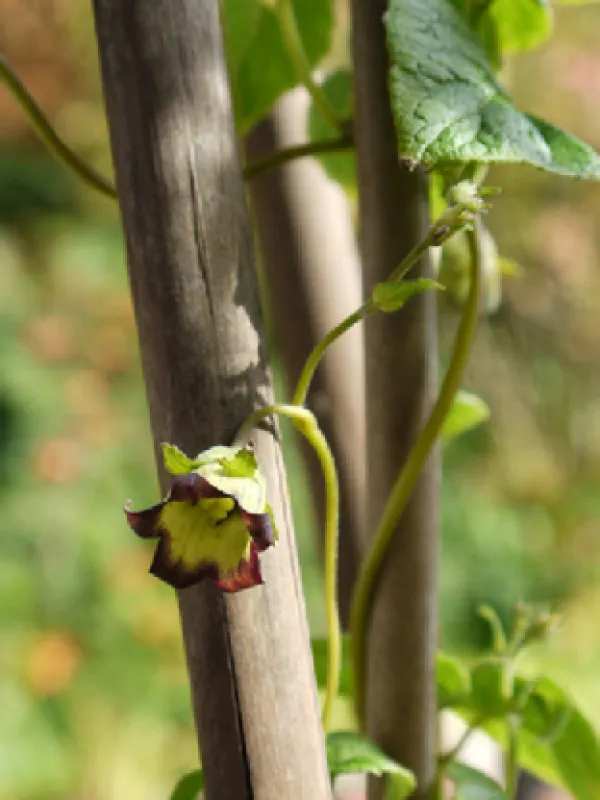
Description
Sowing dates
Codonopsis ovata is a perennial herbaceous plant belonging to the Campanulaceae family, valued for its potent root system. Sowing is typically performed in the spring, once soil temperatures reach 12-15 degrees Celsius, or in late autumn for natural winter stratification.
Due to the extremely small size of the seeds and their sensitivity to light, they require shallow sowing. They should be placed no deeper than 0.5 centimeters in the soil, ensuring that the seedbed remains consistently moist until germination is complete.
The plant thrives in well-lit areas with light afternoon shade to prevent root system overheating. For nursery cultivation, seeds are sown in trays during late March to ensure the seedlings are robust enough for transplanting into open soil by late May.
The crop grows slowly during its first year, necessitating wide spacing between plants. A recommended planting distance is 30 by 40 centimeters to ensure proper air circulation and to minimize the risk of fungal diseases, which are common in crowded plantings.
Weed control is the most critical agronomic task in the early stages of development. Regular manual weeding and gentle soil loosening between rows encourage root development and prevent competition for vital nutrients and moisture.
Growing requirements
Codonopsis ovata requires well-drained, fertile sandy or loamy soils to perform at its best. Waterlogging is detrimental to the plant, as it leads to rapid decay of the fleshy, tuberous roots common to this species.
The soil pH should ideally be neutral or slightly acidic. In heavy clay soils, it is necessary to incorporate organic matter like compost or river sand to improve soil aeration and drainage, preventing root rot and suffocation.
Being an alpine species, it is well-adapted to temperature fluctuations but requires protection in regions with harsh, snowless winters. Applying a thick layer of organic mulch helps insulate the root zone and protect the plant from severe frost damage.
Irrigation should be consistent but moderate to avoid saturated soil conditions. In hot, dry climates, mulching the root zone is highly beneficial as it helps maintain stable soil moisture levels without the need for frequent, risky watering.
Fertilization should be handled with caution, favoring complex mineral fertilizers with reduced nitrogen content during the root maturation phase. Organic compost should be applied primarily during autumn soil preparation to build long-term fertility.
Main diseases and pests
Root rot is the most significant threat to Codonopsis ovata, usually caused by poor drainage or excessive soil moisture. To mitigate this risk, farmers should strictly follow crop rotation and avoid planting on sites previously occupied by other Campanulaceae species.
Slugs and snails can cause substantial damage to young shoots, especially during wet seasons. Effective control methods include manual collection in the morning or the use of eco-friendly bait traps that pose no harm to the surrounding soil environment.
Aphids can occasionally infest the apical parts of the plant, causing stunted growth and leaf curling. Using insecticidal soaps or plant-based extracts is recommended to manage infestations while preserving the purity of the medicinal root crop.
Grey mold is a fungal threat during periods of prolonged humidity or rainfall. Ensuring proper spacing and airflow between plants, as well as the immediate removal of infected plant tissues, is essential to prevent the spread of fungal spores.
Preventive maintenance, including balanced fertilizing and meticulous weed management, helps build a strong plant immune system. Healthy, well-nourished plants are far more resilient against common pests and environmental stressors.
Harvesting
Harvesting the roots of Codonopsis ovata is typically conducted during the third or fourth year of growth, when active biological compounds reach peak concentration. The harvest is best performed in late autumn after the foliage has naturally withered.
The roots are carefully extracted from the soil using forks to avoid damaging the fleshy taproot. Once lifted, the harvest must be cleaned of soil, washed in cool running water, and stripped of small lateral roots, keeping only the primary fleshy sections.
Drying is performed in a well-ventilated, shaded environment at temperatures not exceeding 45 degrees Celsius. Excessive heat can degrade the delicate chemical compounds, significantly reducing the medicinal value of the final product.
The dried roots should be stored in airtight, light-protected containers in a dry place to maintain their potency over long periods. Proper storage ensures the product remains viable for use in herbal preparations or traditional medicines.
Beyond its pharmaceutical value, Codonopsis ovata is increasingly appreciated in ornamental gardening. Its elegant, bell-shaped flowers make it an excellent choice for rock gardens and naturalistic landscape designs where cold-hardy perennials are required.