
Codonopsis thalictrifolia
Codonopsis thalictrifolia
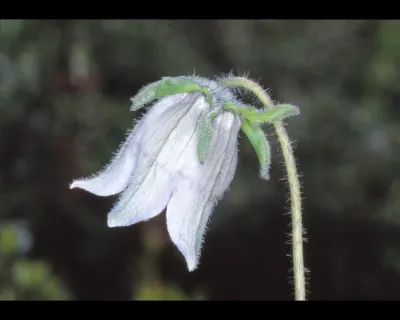
Description
Sowing dates
Sowing Codonopsis thalictrifolia seeds is best performed in early spring once soil temperatures reach 10–12°C. The seeds are extremely small, so they should be sown on the surface and pressed lightly into the substrate without covering them too deeply with soil to ensure proper light absorption.
When starting indoors, seeds should be sown in trays in late February or March. It is essential to maintain a stable environment with temperatures between 18–20°C and consistent soil moisture, ensuring that the containers do not become waterlogged to prevent damping-off disease.
Transplanting seedlings into the open garden is carried out after the threat of frost has passed. Plants should be spaced 30–40 cm apart to allow adequate room for the development of their vigorous root systems and branching stems, which is crucial for overall plant health.
The selection of an appropriate planting site is vital; this species prefers partial shade, especially in hotter climates where mid-day sun could scorch the leaves. A location with morning sun and afternoon shade often provides the best balance for steady development.
Cold stratification is a highly recommended practice for improving germination rates. Keeping the seeds in a refrigerated environment for several weeks before sowing helps mimic natural winter conditions, leading to more uniform sprouting and stronger growth in the early stages.
Growing requirements
Codonopsis thalictrifolia requires fertile, loose, and well-drained soil with a neutral to slightly acidic pH. Poor drainage is detrimental to this species, as it often leads to root rot, so incorporating organic matter and sand can help improve soil texture and drainage quality.
As a member of the Campanulaceae family originating from Himalayan mountain regions, this plant thrives in cool, humid environments. Maintaining moderate moisture levels is essential, but it is equally important to avoid water-saturated soil that restricts root oxygenation.
Regular irrigation is necessary during the active growing season, focusing the water at the base of the plant to prevent foliage saturation. This method significantly reduces the likelihood of fungal outbreaks that can occur if the leaves stay damp for extended periods.
Balanced fertilization with a focus on phosphorus and potassium is recommended to support root development. Excessive nitrogen should be avoided as it encourages leafy growth at the expense of the root quality, which is the primary part used for medicinal purposes.
Winter care involves providing a layer of mulch, such as dry peat or shredded leaves, to protect the roots from harsh temperature fluctuations and freezing. In regions with severe winters, this protection is critical to ensuring the perennial roots remain dormant and survive until spring.
Main diseases and pests
Root rot is the most common threat to this culture, primarily caused by waterlogged soil or poor drainage. The first signs of trouble include wilting and yellowing leaves; if identified early, reducing water and improving aeration can sometimes save the plant.
Aphids and spider mites are frequent pests, especially during dry spells or high-temperature days. Utilizing mild, organic horticultural soaps or neem oil sprays can effectively control these pests without damaging the sensitive plant tissue or harming the surrounding ecosystem.
Slugs and snails can cause significant damage to young shoots, particularly during wet spring weather. Creating physical barriers like crushed shells or using non-toxic traps can effectively protect the plants during their most vulnerable stage of development.
Root-knot nematodes can cause gall formations on the roots, leading to stunted growth and poor vitality. Maintaining crop rotation and ensuring the soil is clean of previous hosts from the Campanulaceae family are the best preventative measures against these microscopic threats.
Powdery mildew may occur if air circulation is insufficient or if humidity levels remain constantly high. Pruning for better spacing and maintaining clean garden practices will minimize the risk and ensure the plant remains vigorous throughout the season.
Harvesting
The primary harvest target for Codonopsis thalictrifolia is the root, which is valued for its pharmacological properties. Harvesting is ideally done in the autumn of the second or third year, once the plant's aerial parts begin to fade and turn yellow.
Plants should be lifted carefully using garden forks, taking great care to avoid breaking the roots, as any damage can cause the loss of vital active compounds. Once harvested, the roots must be thoroughly cleaned of soil and debris under running water.
Drying the roots is a critical step; they should be sliced into small sections and dried in a well-ventilated area away from direct sunlight. Modern dehydrators or professional drying racks set at no higher than 45°C ensure the preservation of the plant's phytochemical integrity.
Once properly dried, the root displays a distinctive aroma and a sweet, earthy flavor. The final product should be kept in airtight containers in a cool, dark environment to preserve its medicinal quality for up to two years without significant degradation.
Beyond its agricultural and medicinal uses, the plant is often utilized as an ornamental species in rock gardens. In such scenarios, harvest is not the goal; instead, deadheading faded flowers is practiced to promote a secondary flush of blooms and maintain the garden's aesthetic appeal.