
Chinese lobelia
Lobelia chinensis
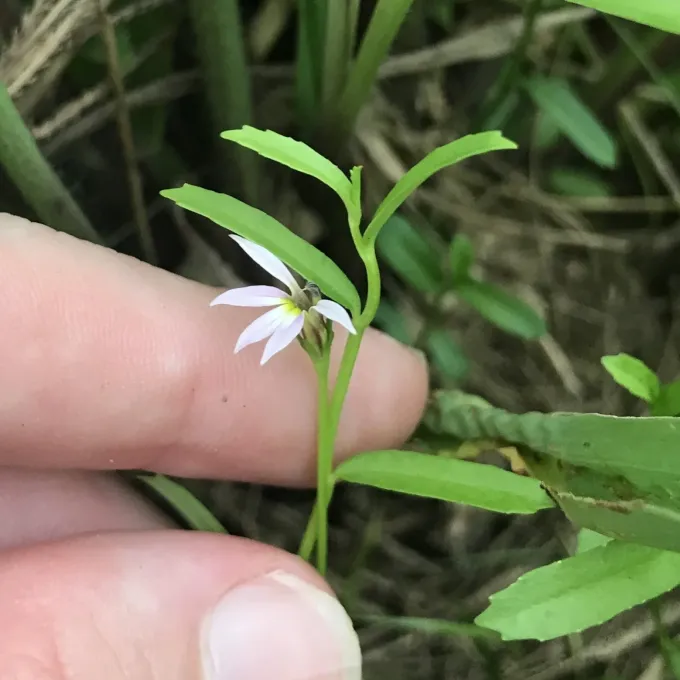
Description
Sowing dates
Chinese lobelia (Lobelia chinensis) is a perennial herbaceous plant belonging to the Campanulaceae family, widely recognized for its traditional medicinal properties.
Propagation is primarily achieved via small seeds, which are sown in early spring in moist seed-starting trays to ensure consistent germination.
The seeds require light to germinate, so they should be sown on the surface of the growing medium without covering them with soil.
Temperature control is essential, with an optimal range of 20–22 °C being necessary for the successful development of seedlings.
Once seedlings have developed several true leaves, they are hardened off and transplanted into their final growing location in well-prepared beds.
Growing requirements
This species thrives in high-moisture environments and is best suited for planting in damp soil, such as pond margins or consistently wet garden areas.
Rich, loamy soil with a neutral pH level provides the best conditions for the vigorous growth and development of the plant's root system.
While it prefers full sun for optimal flowering, the plant benefits from partial afternoon shade in regions experiencing intense summer heat.
Nutrient management is important, with regular application of balanced organic fertilizers during the vegetative stage enhancing overall plant health.
Adequate spacing between individual plants is necessary to promote good air circulation, which helps reduce the risk of humidity-related physiological disorders.
Main diseases and pests
The primary threats to Chinese lobelia involve fungal infections, including root rot and damping-off, which typically occur in poorly drained soils.
Powdery mildew can manifest during periods of high humidity and limited airflow, necessitating prompt removal of infected leaves and improved aeration.
Common insect pests include aphids and spider mites, which congregate on the underside of leaves and weaken the plant by feeding on its sap.
Gastropods, such as slugs and snails, are frequent visitors in damp environments and can cause significant damage to young, tender foliage.
Integrated pest management, including regular monitoring and the use of botanical insecticides, is effective in maintaining plant population health.
Harvesting
Harvesting for medicinal use is conducted during the full bloom stage, as this is when the concentration of therapeutic compounds is at its maximum.
Plants are cut back a few centimeters above the soil level, allowing for potentially multiple harvests within a single growing season.
Collected biomass must be washed to remove debris and then spread thinly in a cool, dark, and well-ventilated area to facilitate uniform drying.
Proper drying is crucial to prevent molding and degradation of the active ingredients, which would diminish the overall quality of the final product.
After processing, the dried plant material should be packaged in airtight containers and stored in a cool place to ensure long-term stability.