
Codonopsis ussuriensis
Codonopsis ussuriensis
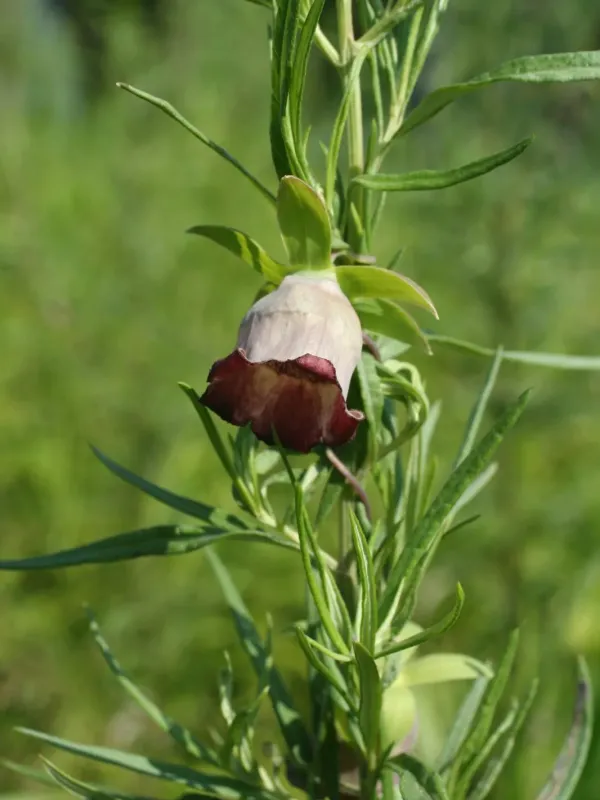
Description
Sowing dates
The sowing of Codonopsis ussuriensis is typically performed in early spring, once the soil has warmed to at least 10–12°C. Late April or early May is generally considered the optimal window for successful germination.
Given that the seeds are very fine, they should be sown shallowly or covered with no more than 0.5–1 cm of soil. Pre-sowing cold stratification for about 30 days is highly recommended to improve overall germination rates.
Row spacing should be maintained at 45–60 cm to allow for proper plant development and air circulation. Thinning is essential if the seedlings appear too dense, ensuring each plant has sufficient access to nutrients.
Codonopsis ussuriensis belongs to the Campanulaceae family and is a perennial herbaceous vine. Native to the Far East regions, it thrives in environments that mimic forest edges and humid slopes.
This crop is highly prized in traditional medicine for the active compounds found in its roots. It serves as a significant raw material for the pharmaceutical industry, particularly for its tonic and adaptogenic properties.
Growing requirements
The plant demands high soil moisture levels but strictly requires good drainage, as it cannot tolerate waterlogging. Light, humus-rich soils with a slightly acidic to neutral pH are ideal for healthy growth.
For optimal development, Codonopsis requires partial shade or diffused sunlight. Intense direct sunlight during mid-summer can cause stress and inhibit the vine's natural growth habits.
Standard agronomic practices include regular weeding and inter-row cultivation to maintain soil aeration. Installing trellises is a critical step, as the plant is a climbing vine that requires vertical support.
Consistent watering is necessary throughout the growing season, especially during periods of active stem development. Mineral fertilization should be balanced, with an emphasis on potassium to support root health.
Codonopsis ussuriensis exhibits reasonable winter hardiness, allowing it to survive in temperate climates. Mulching the base of the plants with leaves or peat in late autumn helps protect the roots during severe winters.
Main diseases and pests
The main pests that threaten Codonopsis plantings are aphids and spider mites, which thrive in low-humidity conditions and during hot summer months, damaging the succulent foliage.
Root rot is the most common disease, frequently caused by excessive soil moisture, poor drainage, or overcrowding in the planting rows. Preventive management is essential to minimize these risks.
Early-season preventive fungicide applications can effectively control fungal pathogens. Rotating crops is also crucial, as planting in the same location for multiple years increases the likelihood of soil-borne diseases.
Powdery mildew may occur when plantings are too thick and lack proper ventilation. Removing affected leaves and improving spacing will typically help control the spread of such infections.
Slugs and snails can cause significant damage to young shoots in the spring. Physical barriers, such as wood ash or crushed shells, are often effective organic methods for protecting young plants.
Harvesting
The harvest of Codonopsis roots is generally carried out in the 3rd or 4th year of growth. At this stage, the root system has reached the necessary maturity to contain high concentrations of active ingredients.
Harvesting should occur in the autumn after the above-ground parts of the vine have naturally withered. Using a pitchfork to lift the roots helps to prevent mechanical damage, which can lead to rapid deterioration.
Once harvested, roots must be cleaned, washed, and dried promptly. Drying should be conducted in well-ventilated areas at temperatures not exceeding 40–50°C to preserve the integrity of the bioactive components.
Properly cured roots should be firm and possess a distinct herbal aroma and a sweet-bitter flavor profile. They should be stored in cool, dry, and dark containers to maintain their quality for pharmaceutical use.
Achieving high yields depends heavily on consistent moisture and proper trellis management. Under intensive care, this crop can provide a sustainable yield for herbal production facilities.