
Ladybell
Adenophora liliifolia
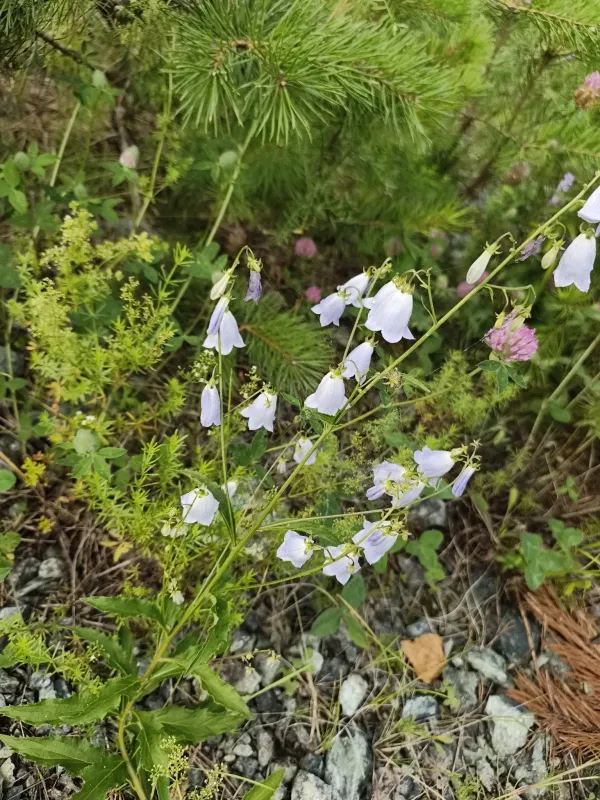
Description
Sowing dates
Adenophora liliifolia, commonly known as Ladybell, is a herbaceous perennial belonging to the Campanulaceae family, native to Europe and Asia.
Propagation is primarily achieved through seeds, which require a cold stratification period to break dormancy and ensure high germination rates.
Seeds should be sown in early spring or late autumn in well-prepared, fine-textured seedbeds at a depth of approximately 0.5 centimeters.
Thinning the seedlings is essential once they reach a height of 5 centimeters to prevent competition for light and nutrients among young plants.
Space the plants about 30 centimeters apart to allow adequate airflow, which is critical for reducing the incidence of foliage diseases.
Growing requirements
The plant thrives in fertile, loamy soils that possess good drainage capabilities, as it cannot withstand waterlogged conditions for extended periods.
Ladybell requires a sunny location to reach its full height, although it can tolerate partial shade in regions with extremely hot summer climates.
Moderate moisture is necessary, particularly during the flowering stage, but the soil should be allowed to dry slightly between watering sessions.
Applying a balanced organic fertilizer in early spring promotes robust vegetative growth and enhances the density of the flower clusters.
Regular mulching is recommended to maintain soil temperature and suppress weed growth, which is vital during the establishment phase of the plants.
Main diseases and pests
Root rot remains the most common threat, usually triggered by poor soil drainage and excessive precipitation or irrigation during the growing season.
Powdery mildew can affect the leaves, especially during humid weather, necessitating the use of appropriate fungicides if symptoms appear.
Slugs and snails often feed on the tender young shoots of Ladybell during the early spring months, causing significant structural damage to the plants.
Aphids can be a recurring pest problem, gathering on the flower stalks and siphoning plant sap, which weakens the overall vitality of the crop.
Integrated pest management, including weeding and encouraging natural predators, is the most effective approach to maintaining a healthy planting.
Harvesting
The primary agricultural interest in this species involves the roots, which are harvested after two to three years of growth when they reach maturity.
Harvesting should be performed in late autumn, ensuring the roots are carefully lifted from the soil to avoid damage to the taproot system.
Clean the harvested roots thoroughly and slice them into small segments before drying them in a controlled, well-ventilated environment.
Seed harvesting should be planned for the period when the capsules change color but before they spontaneously open and disperse their contents.
Proper storage of seeds in cool, dry conditions is essential to maintain viability for future cultivation cycles during the following spring.