
Adenophora takedae
Adenophora takedae
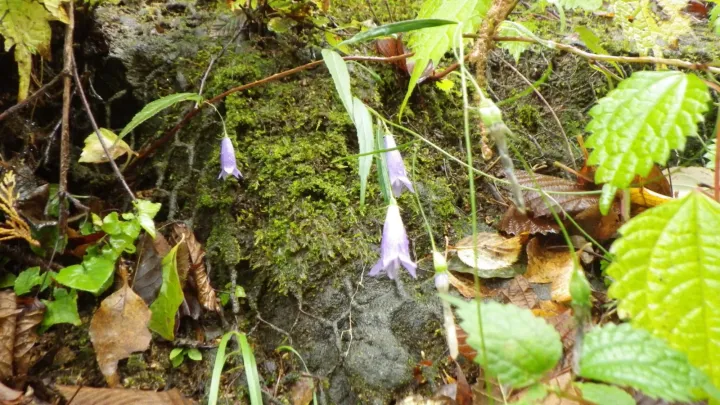
Description
Sowing dates
Sowing of Adenophora takedae seeds is primarily carried out in the autumn, allowing for natural stratification of the seed material. The optimal time is late October or early November, before the onset of persistent frosts.
For spring cultivation, seeds require preliminary cold stratification for 30–45 days at temperatures ranging from 0 to +4 degrees Celsius. They should be sown on the surface of a light, loose substrate without deep burial, covering them only slightly with fine sand.
To accelerate germination, one may use peat pellets or containers equipped with a drainage layer. Maintaining stable soil moisture is crucial, as the surface layer where the small seeds reside must not be allowed to dry out completely.
Seedling transplanting occurs at the stage of two true leaves. These plants develop slowly during their first year, so transplanting to a permanent location is ideally planned for the second vegetation season.
When selecting a planting site, prefer areas where the soil warms up moderately, avoiding zones with stagnant meltwater, which can cause root rot in young seedlings.
Growing requirements
Adenophora takedae belongs to the Campanulaceae family and prefers well-drained, fertile soils with a neutral or slightly acidic reaction. The culture does not tolerate heavy clay soils without prior structural improvement.
This plant is light-loving; however, in hot climates, it requires partial shading during peak sunlight hours. Its natural habitat includes mountainous regions in Japan, making it well-adapted to moderate temperatures and moisture fluctuations.
Agricultural practice includes regular, moderate watering, as the plant is sensitive to prolonged drought. However, waterlogging at the roots is strictly forbidden and leads to the development of fungal diseases.
Fertilization is carried out twice per season: in spring using complex mineral fertilizers with high nitrogen content for vegetative growth, and during the flowering period with phosphorus-potassium compounds to strengthen flower stems.
In autumn, the aerial part of the plant should be pruned to 5–10 cm above the soil surface, which promotes successful overwintering and healthy growth of the root system in the following spring.
Harvesting
Seed harvesting is conducted after the seed pods have turned brown and began opening at the apex. To prevent self-seeding, pods are collected at the stage of full technical maturity and placed in paper bags for final drying.
When grown as an ornamental crop, harvesting consists of the sanitary pruning of spent inflorescences. This helps stimulate a second flush of flowers or simply maintains the neat appearance of the garden bed.
For medicinal purposes (similar to other Adenophora species), rhizomes are harvested in the autumn, typically during the 3rd or 4th year of growth. They are carefully dug out, cleaned of soil, and washed under running water.
Raw material drying takes place in well-ventilated rooms at temperatures not exceeding 45 degrees Celsius to preserve the biologically active compounds inherent in the Campanulaceae family.
Once dried, the roots become brittle and suitable for long-term storage in airtight containers, protected from direct sunlight and excessive humidity.