
Adenophora remotiflora
Adenophora remotiflora
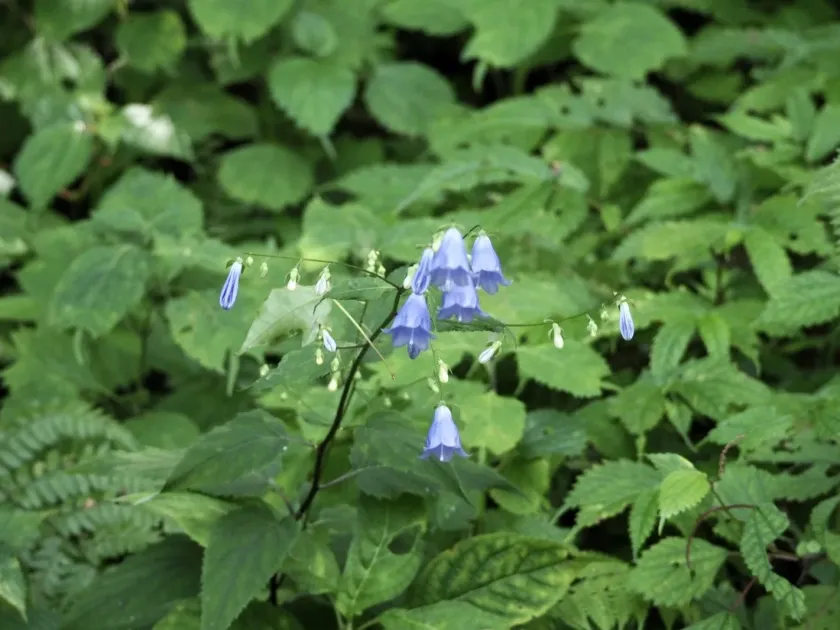
Description
Sowing dates
Adenophora remotiflora, a member of the Campanulaceae family, is primarily propagated through seeds. Sowing in open ground is best performed in late autumn for natural stratification or in early spring once the soil temperature is stable.
For container-grown starts, seeds are sown in March. Because the seeds are tiny, they should be surface-sown or covered with a very thin layer of fine substrate to ensure adequate light exposure for germination.
Seedlings typically emerge within 14 to 21 days when kept at a consistent temperature of 18–20°C. Maintaining high humidity without saturating the soil is critical for the success of young plants.
Once true leaves develop, seedlings are transplanted to their permanent location with a spacing of 30–40 cm. Proper spacing is essential to allow the plant's robust taproot to develop without interference.
Vegetative propagation via root division is another viable option, typically done in early spring as new growth begins to appear, ensuring each division has healthy buds.
Growing requirements
This species thrives in sunny locations but benefits from partial shade in extremely hot climates. Its native range spans East Asia, where it grows in meadows and woodland fringes.
Soil requirements include well-draining, fertile loam with a neutral to slightly acidic pH. Avoiding waterlogged conditions is paramount, as the plant is susceptible to crown rot in heavy, wet clays.
While somewhat drought-tolerant, Adenophora remotiflora requires regular watering during the main growing season to reach optimal size. Mulching with organic matter helps stabilize soil moisture and suppresses competing weeds.
The plant responds positively to moderate applications of compost or well-rotted manure applied in early spring. Avoid heavy nitrogen fertilization, which can lead to lush leaf growth at the expense of root development.
The plant is hardy and adapts well to temperate climates. Younger plants may require winter protection during their first year, such as a layer of straw or dried leaves, to prevent frost heaving.
Yield
The economic value of Adenophora remotiflora lies in its roots, which are a staple in traditional medicine systems. The roots contain various saponins and triterpenoids with recognized bioactive properties.
Harvestable yields are typically reached by the third or fourth year of cultivation. At this stage, the root mass is sufficient and the concentration of medicinal compounds is at its peak.
In addition to roots, the young leaves and shoots are edible. In various culinary traditions, they are boiled or stir-fried to reduce bitterness and are consumed as a nutritious spring vegetable.
Sustainability of the crop is maintained by implementing a rotation schedule and dividing older clumps periodically to rejuvenate the vitality of the plant stock.
Successful cultivation requires consistent weeding, especially in the first year, as the plant grows slowly and can be easily overwhelmed by aggressive weed species.
Main diseases and pests
Root rot is the most significant threat, particularly in poorly drained soils. Managing soil moisture is the primary preventative measure against fungal pathogens that target the root system.
Slugs and snails can cause substantial damage to young foliage during wet springs. Biological controls, such as iron phosphate baits, are recommended for organic management of these pests.
Aphids may infest the plant during dry spells, primarily targeting the flower stalks. Regular monitoring allows for early detection and simple manual removal or the application of horticultural soap.
Powdery mildew can occur if airflow is poor and humidity levels remain high for extended periods. Ensuring proper spacing between plants helps maintain a healthy microclimate.
Practicing good sanitation, including the removal of dead or diseased plant debris at the end of the season, reduces the overwintering potential of various pests and pathogens.
Harvesting
Roots are harvested in late autumn after the foliage dies back, as this is when the plant's energy is stored primarily in the root system. Spring harvesting is also an option if done before new growth.
After extraction, the roots should be cleaned thoroughly with water to remove all soil. Large roots are often sliced into smaller segments to speed up the drying process and improve uniformity.
Drying is conducted in controlled environments at temperatures not exceeding 50°C to preserve the integrity of the bioactive compounds. Proper airflow is essential to prevent molding.
Once dried, the product should be stored in a cool, dark, and dry place using airtight packaging to prevent moisture uptake and flavor degradation.
Proper field management post-harvest involves incorporating organic amendments to replenish soil nutrients before the next crop cycle begins in the rotation plan.