
Potanin's ladybell
Adenophora potaninii
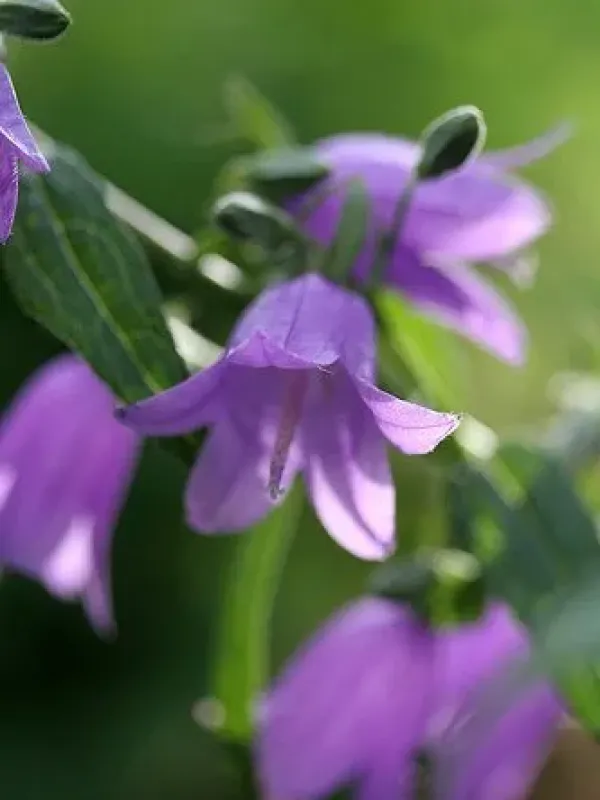
Description
Sowing dates
Potanin's ladybell seeds are typically sown in late autumn for wintering or in early spring following a month-long period of cold stratification.
The optimal germination temperature is approximately 18–20 degrees Celsius, ensuring uniform seedling emergence in a controlled environment.
When using seed trays, the seeds should be scattered on the surface of moist soil without deep covering, as light is required for successful germination.
Seedlings usually emerge within 2–3 weeks, requiring delicate moisture management and shade from direct sunlight during the early development stages.
Transplanting into the permanent garden site should occur after the last frost date, maintaining a spacing of 30–40 centimeters between individual plants.
Growing requirements
Potanin's ladybell belongs to the Campanulaceae family and is a robust perennial herb characterized by a strong taproot system.
The crop thrives in well-drained, fertile soil with a neutral or slightly acidic pH, rich in organic matter and nutrients.
It prefers sun-exposed locations protected from harsh winds, though it can tolerate partial shade in regions with intense summer heat.
Consistent, moderate irrigation is essential during the growing season, avoiding both drought stress and waterlogging to prevent root damage.
This species is highly cold-hardy, capable of surviving significant temperature drops, which makes it suitable for various temperate climates.
Main diseases and pests
Root rot is the most common issue, typically caused by poor soil drainage or excessive irrigation, necessitating strict water management.
During periods of high humidity, plants may be susceptible to powdery mildew, which can be managed with appropriate fungicidal treatments.
Young shoots are frequently targeted by slugs and snails, requiring monitoring and the use of physical or organic barriers to protect the plants.
Aphids are a common pest that feeds on the sap, causing leaf curling and reduced vigor; systemic insecticides may be needed for control.
To reduce disease pressure, farmers should avoid overcrowding plants and implement proper air circulation within the planting beds.
Harvesting
Harvesting the medicinal roots is performed during the third or fourth year of plant growth after the vegetative cycle has concluded.
Roots are carefully lifted from the soil, thoroughly cleaned of debris, washed in cold water, and separated from the aerial parts.
Drying process takes place in professional dryers at temperatures not exceeding 50 degrees Celsius or in well-ventilated sheds.
Properly cured roots should be brittle and show no signs of mold or decay, ensuring high quality for pharmaceutical or botanical applications.
The crop is utilized both in traditional Eastern medicine and as an ornamental plant in diverse landscape garden designs.