
Adenophora hybrids
Adenophora hybrids
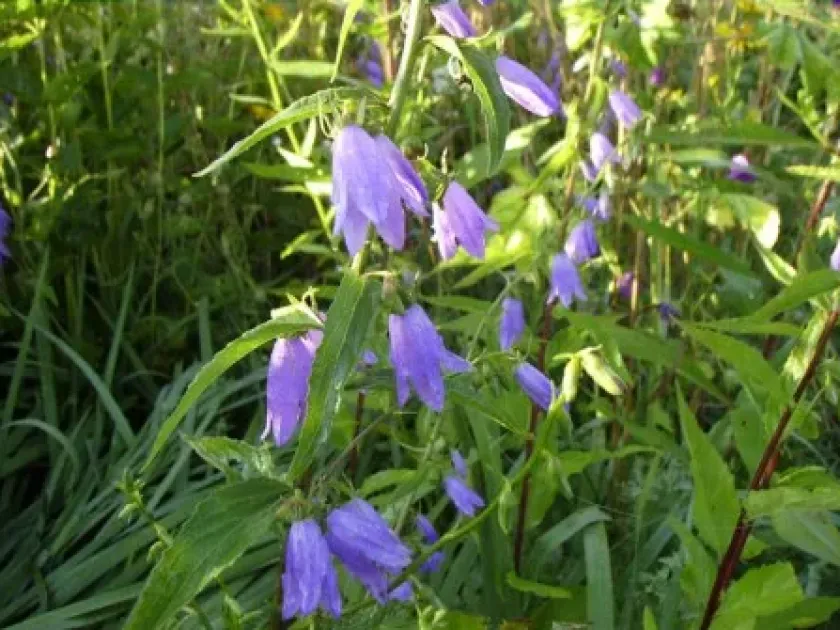
Description
Sowing dates
Sowing Adenophora hybrids into open ground is best carried out in early spring once the soil has warmed up sufficiently. Late April is generally considered the optimal time for germination.
Winter sowing is also a highly effective method for this species, as it provides natural stratification for the seeds. This technique results in stronger seedlings with a more robust root structure.
If starting seeds indoors, sowing should occur in March. Adequate light is essential at this stage to prevent the seedlings from becoming leggy and weak before being transplanted.
Seeds must be sown at a shallow depth, as they require light to germinate effectively. A light dusting of fine substrate or sand is sufficient to keep them in place without hindering growth.
Germination typically takes between two and three weeks under stable temperatures. Once the first true leaves appear, seedlings should be pricked out to ensure enough space for individual root development.
Growing requirements
Adenophora hybrids, belonging to the Campanulaceae family, are known for their resilience and adaptability. They thrive in locations that receive full sun but can tolerate light partial shade during the peak heat of the day.
The ideal soil for this crop is loose, fertile, and well-draining loam. The pH level should ideally be neutral or slightly acidic to support optimal nutrient absorption and plant vigor.
Proper drainage is the most crucial requirement for Adenophora. Because the plant is susceptible to root rot, any heavy or waterlogged soils must be amended with organic matter or gravel to improve permeability.
Watering should be consistent but moderate. During prolonged dry spells, deep irrigation is preferred over frequent light sprinkling to encourage the root system to grow deeper into the soil.
Fertilization with balanced mineral complexes should be performed twice during the growing season. The first application in early spring supports stem development, while the second encourages bloom production.
Main diseases and pests
Slugs and snails are the primary pests that damage the foliage of young plants. Setting up physical barriers or using organic-approved deterrents can significantly reduce damage to the greenery.
Powdery mildew is the most common fungal disease, typically occurring in areas with poor airflow and high humidity. Proper spacing between plants is the best preventative measure to maintain healthy air circulation.
Root rot, caused by excessive moisture, can prove fatal to the plant. If symptoms of wilting appear, drainage must be improved immediately, and the affected areas treated with appropriate fungicides.
Regular weeding is essential for minimizing pest pressure and competition for nutrients. Keeping the area surrounding the base of the plant clear prevents the spread of soil-borne pathogens.
Monitoring the plants weekly allows for the early detection of any health issues. Early intervention with biological control methods is usually sufficient to manage minor outbreaks of diseases or insects.
Harvesting
The primary use of Adenophora hybrids is in ornamental gardening and landscape design. Seeds are harvested in late summer when the seed pods have transitioned to a brown, dry state.
For cut flowers, stems are harvested when the first florets start to open. Cutting early in the morning allows the stems to remain fresh for a longer period in floral arrangements.