
Adenophora lamarckii
Adenophora lamarckii
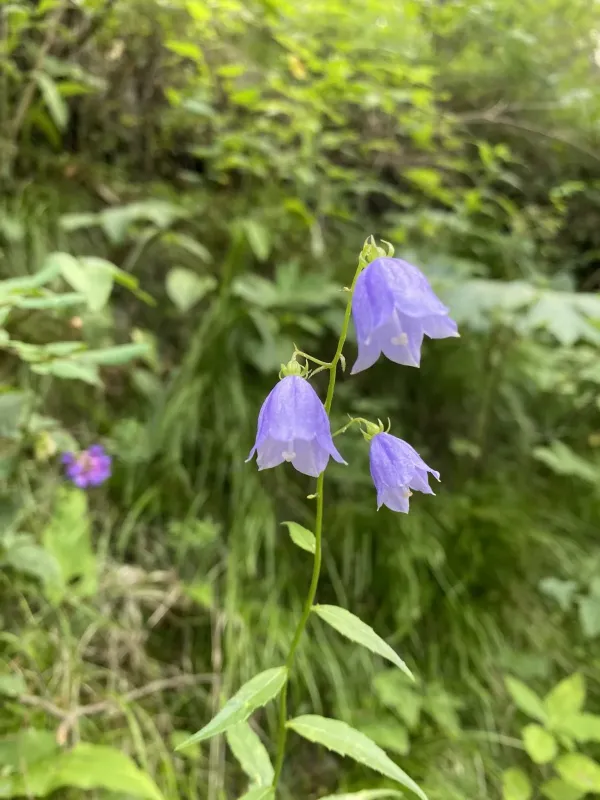
Description
Sowing dates
Sowing of Adenophora lamarckii seeds is carried out in spring or late autumn, using stratified seed material to increase germination rates. This crop belongs to the Campanulaceae family and is a perennial herbaceous plant that requires careful soil preparation.
Seeds should be sown at a depth of no more than 0.5–1 cm, as they are very small and require light exposure for successful germination. It is essential to maintain soil moisture until the first sprouts appear, which typically takes 2–3 weeks depending on ambient temperatures.
For commercial production, a seedling method is recommended to obtain robust and viable plants before transplanting into open ground. Seedlings should be transplanted in the 3–4 true leaf stage, following an optimal planting grid to ensure sufficient nutrition per plant.
The agronomy of sowing includes soil disinfection and the application of light organic fertilizers to stimulate initial growth. Preventing surface compaction is crucial to avoid crusting, which can hinder the delicate seedlings from emerging.
Winter sowing allows seeds to undergo natural stratification, promoting uniform and vigorous shoot development in the spring. This method is preferred in temperate zones where soil is sufficiently saturated with moisture from melting snow.
Growing requirements
Adenophora lamarckii prefers well-drained, fertile loamy or sandy soils with a neutral to slightly acidic pH level. Water stagnation is detrimental to the root system, therefore, the cultivation site must have excellent drainage capacity.
The crop is light-loving, yet in regions with very hot summers, it thrives better in partial shade during peak sunlight hours. Under such conditions, the leaves retain their turgor, and the blooming period becomes more prolonged and visually appealing.
Climate requirements include moderate air humidity and a lack of extreme temperature fluctuations during the vegetation period. The plant possesses high frost resistance, characteristic of species native to East Asia.
Regular weeding and inter-row cultivation are vital for ensuring oxygen supply to the root system. The plant responds positively to moderate applications of balanced mineral fertilizers during the early stages of its developmental cycle.
Proper irrigation during the bud formation phase is of particular importance, as moisture deficit at this stage can significantly reduce the overall biomass. Mulching is recommended to maintain soil moisture levels and suppress weed growth.
Main diseases and pests
The main pests for Adenophora lamarckii are slugs and snails, which feed on tender young leaves during rainy weather. In cases of mass infestation, they can significantly impair the market appearance of the crop and weaken the plant's growth.
Among fungal diseases, powdery mildew and various root rots are the most dangerous, occurring primarily due to overwatering and poor ventilation. Preventive measures include strict spacing and timely removal of plant debris.
In hot and dry summers, aphid infestations may occur, causing damage to apical shoots and inflorescences. If detected, treatment with approved biological agents or systemic insecticides is necessary to preserve the crop.
Integrated disease management involves crop rotation, as pathogens can accumulate in the soil with continuous cultivation. Monitoring root health is critical, especially when the plant is harvested for its medicinal properties.
Comprehensive protection relies on regular monitoring of the fields and the timely application of broad-spectrum fungicides during periods conducive to pathogen development.
Harvesting
Harvesting medicinal raw materials (roots) is performed during the second or third year of vegetation, when the plant has accumulated the maximum concentration of active substances. Autumn, after the end of the flowering phase, is the optimal time for harvesting.
Roots are carefully excavated, cleaned of soil, washed, and peeled if necessary. After initial processing, the raw material is sliced and dried in well-ventilated areas to ensure high-quality output.
Drying should be carried out at temperatures not exceeding 45–50 degrees Celsius to preserve biologically active compounds and prevent mold development. Once dried, the material is brittle and suitable for long-term storage in paper or textile bags.
When harvesting the aerial parts of the crop, collection is done during peak blooming by cutting shoots 10–15 cm above the ground. Harvesting in the morning, after the dew has evaporated, ensures the highest product quality.
Economic use of Adenophora lamarckii includes the pharmaceutical industry, where roots are valued for their expectorant properties, as well as horticulture, where the plant is appreciated for its elegant nodding inflorescences.