
Adenophora gmelinii
Adenophora gmelinii
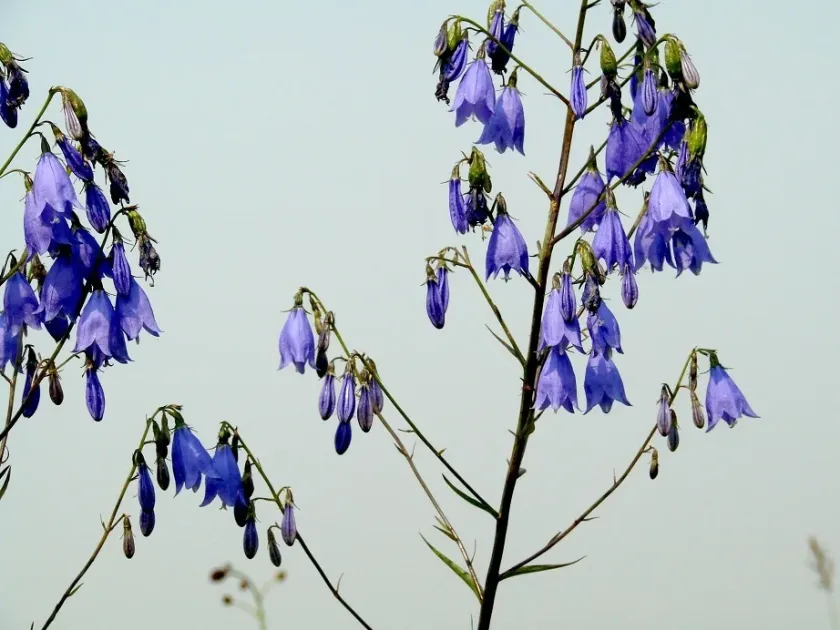
Description
Sowing dates
Adenophora gmelinii is a perennial herb belonging to the Campanulaceae family. It is native to the regions of East Asia, including the Russian Far East, China, and Korea, where it primarily grows in steppe environments and rocky outcrops.
For agricultural cultivation, seeds should be sown in early spring after the soil has warmed up. As the seeds are very small, they require surface sowing or very light coverage, typically no more than 1 cm deep, to ensure proper light absorption.
Stratification is highly recommended for optimal germination results. Sowing in rows with 40-50 cm spacing between them allows for adequate development of both the foliage and the root system during the first year of growth.
The establishment phase in the first year requires diligent weeding. The plant is relatively slow to develop its initial leaf rosette, making it susceptible to competition from fast-growing weeds.
Preparation of the seedbed involves creating a loose, well-aerated soil structure. Incorporating compost or well-rotted manure during autumn preparation promotes deep root growth, which is essential for yield.
Growing requirements
The plant is highly frost-hardy, making it suitable for regions with harsh winter conditions. It prefers sunny locations and thrives when provided with sufficient light throughout the day.
Soil drainage is the most critical requirement. Adenophora gmelinii performs best in sandy or loam soils with a neutral pH. Excessive moisture or stagnant water in the soil can lead to root rot, which is a common cause of failure in heavy clay environments.
While the plant exhibits moderate drought tolerance, regular watering during the main growth phase significantly improves the volume and quality of the medicinal roots.
Fertilizer application should focus on phosphorus and potassium to support root development. Excess nitrogen should be avoided as it stimulates leafy growth at the expense of the rootstock, which is the primary harvest product.
Maintaining a weed-free environment is vital for the health of the crop. Shallow cultivation between rows is recommended to break the soil crust and improve aeration without disturbing the sensitive root system.
Yield
The primary economic focus of this crop is the harvest of the taproot. The roots are used in traditional medicine for their tonic and anti-inflammatory properties, making them a valuable commodity.
Maximum root yields are typically achieved after three years of cultivation. During this period, the root accumulates high concentrations of beneficial compounds, ensuring the commercial viability of the plant.
Well-managed fields can produce a consistent yield of high-quality roots. The economic potential is maximized by selecting sites with deep, loose soil that allows for easy root expansion and harvest.
Research into the plant's nutritional value suggests potential in food processing industries, where the young leaves are sometimes used as greens, providing additional avenues for crop utilization.
Strategic management, including spacing and nutrient control, is essential to ensure that the majority of the crop reaches commercial size and quality standards by the third harvest season.
Main diseases and pests
The most significant threats to Adenophora gmelinii include fungal root rots. These are primarily caused by poor drainage or excessive irrigation, which create an environment conducive to pathogen spread.
Pests such as wireworms and aphids pose moderate risks. Wireworms can damage the subterranean part of the plant, while aphids may attack the tender stems during the spring and early summer flowering stages.
Preventative measures include practicing rigorous crop rotation, ensuring that the plant is not replanted in the same location for at least four years to minimize soil-borne disease accumulation.
Biological control agents or targeted, low-toxicity treatments are advised if aphid or fungal populations exceed economic thresholds, ensuring the crop remains safe for medicinal use.
Regular field inspections allow for the early identification of symptomatic plants. Prompt removal and destruction of infected individuals can prevent the spread of disease to the rest of the field.
Harvesting
Harvesting takes place in late autumn when the foliage begins to wither. This indicates that the plant has ceased active growth and that the maximum energy is stored in the root system.
Roots are extracted by manual digging or mechanical lifting. Great care must be taken to minimize nicks and cuts to the root surface, as damaged roots are prone to rotting during the initial stages of post-harvest storage.
Post-harvest processing involves thorough cleaning of the roots to remove all soil residues. Once cleaned, the roots are often sliced to improve drying efficiency and quality.
Drying must occur in well-ventilated areas or specialized drying chambers at temperatures not exceeding 50 degrees Celsius. This preserves the plant's chemical potency and prevents mold growth.
Properly dried material is firm and aromatic. Storage should be conducted in cool, dry, and dark conditions using breathable packaging to maintain product shelf life for up to two years.