
Adenophora nikoensis
Adenophora nikoensis
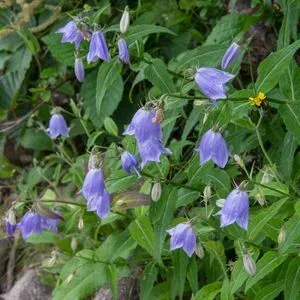
Description
Sowing dates
Sowing of Adenophora nikoensis is typically performed via seeds, either before winter or in early spring following a stratification period. Seeds should be sown in a loose, well-draining substrate at a depth of no more than 0.5 cm.
Seed germination is often uneven, requiring stable temperatures between 18 and 20 degrees Celsius. Once the first pair of true leaves emerges, seedlings should be pricked out into individual pots to strengthen their root systems.
Transplanting into open ground is recommended once the risk of spring frosts has passed. Plants should be spaced 30–40 cm apart to ensure adequate airflow and nutrient access for mature specimens.
Autumn sowing is often preferred in temperate regions as natural stratification improves germination rates significantly. The soil must be kept moderately moist throughout this process to prevent the seeds from drying out.
Selecting the right location for sowing is critical, as young Adenophora plants are sensitive to both drought and excessive moisture. Establishing them in a protected nursery bed before moving them to the garden can increase survival rates.
Growing requirements
Adenophora nikoensis is a perennial herbaceous plant belonging to the Campanulaceae family. It thrives in locations that offer partial sunlight, with protection from the intense midday sun which can scorch the foliage.
The ideal soil for this species is well-drained, fertile, and slightly acidic to neutral. Heavy clay soils that retain too much moisture during winter should be amended with organic matter or grit to ensure proper drainage.
This species is characterized by high cold hardiness, making it suitable for temperate climates. It generally requires little to no winter protection, provided that the soil does not become waterlogged during the dormant season.
Regular but moderate watering is necessary during the active growing season. It is vital to avoid excessive moisture, as stagnant water is a primary factor in the development of root rot and other physiological issues.
Applying organic mulch around the base of the plant helps retain soil moisture and regulate temperature. This practice also prevents the competition of invasive weeds that could shade out the delicate young plants.
Main diseases and pests
Fungal diseases are the most significant threats to Adenophora nikoensis, particularly in humid conditions with low airflow. Powdery mildew can quickly spread across leaves if plants are too densely packed.
Root rot is a common issue when plants are grown in poorly drained soils. Once the root system is compromised by excessive moisture, the plant often fails to recover, leading to eventual death.
Slugs and snails pose a danger to young growth, particularly in wet spring weather. Utilizing physical barriers or organic baiting methods can effectively manage these pests and prevent damage to new shoots.
Aphids occasionally target developing flower buds, sucking sap and hindering proper blooming. Targeted use of insecticidal soap or biological controls can mitigate these populations without causing broad-spectrum harm.
Prevention involves maintaining good garden hygiene, such as removing dead foliage in late autumn and ensuring proper spacing. These practices reduce the risk of pathogen accumulation and help keep the plants healthy.