
Allegheny spurge
Pachysandra procumbens
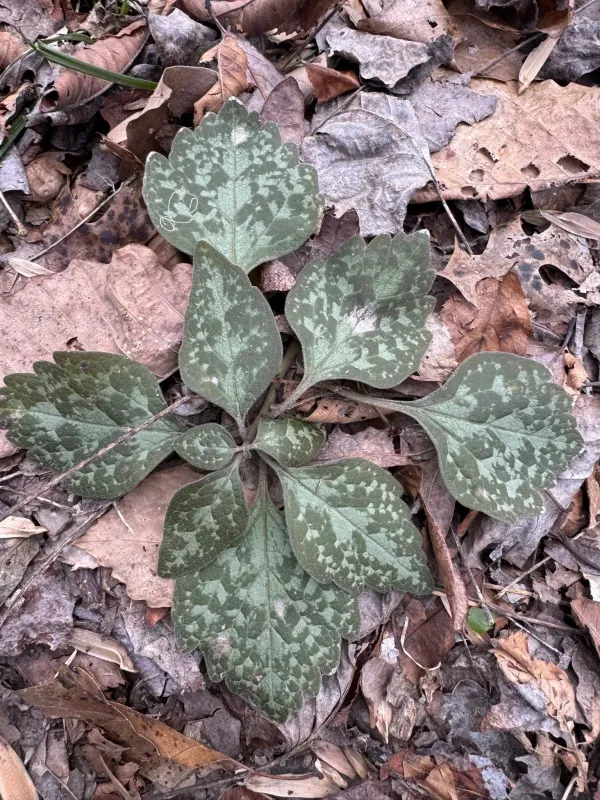
Description
Growing requirements
Allegheny spurge (Pachysandra procumbens) belongs to the Buxaceae family. It is a herbaceous perennial native to the rich woods of the southeastern United States, valued for its unique foliage and shade tolerance.
The plant grows via rhizomes, slowly forming a low, spreading carpet that is ideal for suppressing weeds in shaded garden areas where turf grass struggle to establish.
The cultural requirements center on moist, organic-rich, and well-drained soil. It thrives in soils with a slightly acidic to neutral pH, mimicking the natural forest floor habitat.
In terms of light, this species strictly prefers full to partial shade. Exposure to direct afternoon sun can scorch the leaves and significantly inhibit the plant's growth vigor.
It is an excellent choice for woodland gardens, underplanting beneath deciduous trees, or as a decorative border in temperate climate zones.
Main diseases and pests
The Allegheny spurge is generally resistant to most insect pests, maintaining a healthy appearance throughout the growing season with minimal chemical intervention.
The most common biological threats include slugs and snails, which may cause aesthetic damage to the leaves during damp spring weather or in areas with poor drainage.
Fungal diseases can occur if the planting site lacks sufficient air circulation or if the soil remains constantly waterlogged for an extended period.
Proper garden maintenance, including regular removal of debris and ensuring adequate drainage, is the primary method for preventing fungal infections.
If chemical control becomes necessary, it is advised to use targeted treatments that have low toxicity to beneficial soil organisms to maintain the ecosystem balance.