
Pachysandra axillaris
Pachysandra axillaris
Description
Growing requirements
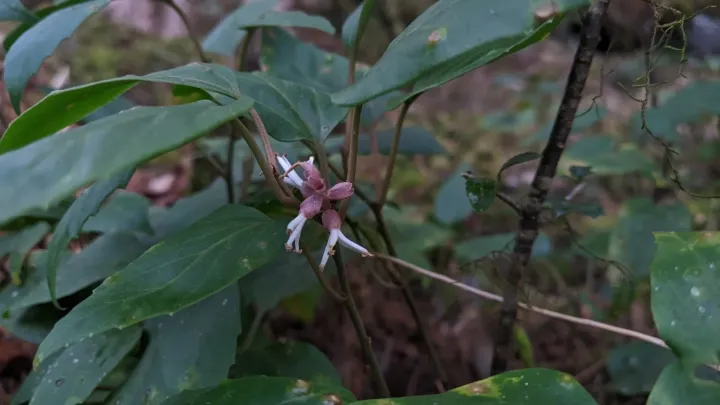
Pachysandra axillaris is a perennial evergreen subshrub belonging to the Buxaceae family. Originating from the mountainous forest regions of China and Taiwan, this plant is well-adapted to habitats with high humidity and stable, cool microclimates.
The plant is characterized by its excellent shade tolerance, making it a primary choice for forest-style gardening or areas with limited sunlight. It features glossy, leathery leaves that maintain their decorative value throughout the entire year.
Successful cultivation requires soil rich in organic matter that is well-draining yet moisture-retentive. Neutral to slightly acidic soil conditions are ideal for fostering root growth and maintaining the deep green coloration of the foliage.
Agronomic management involves regular watering during dry spells and the application of organic mulch. Proper spacing during initial planting is essential, as the plant spreads through underground rhizomes to form a dense, uniform carpet over time.
Its primary agricultural and ornamental use is as a reliable groundcover. Pachysandra axillaris effectively suppresses weed competition and prevents soil erosion on shaded banks, making it a sustainable choice for ground stabilization.
Main diseases and pests
Pachysandra axillaris is generally resistant to many pests, but it remains susceptible to fungal diseases such as leaf blight, particularly in high-density plantings where air circulation is restricted.
Pests such as slugs and snails are the most frequent threats, primarily targeting tender young leaves in spring. Cultural control measures, including maintaining a clean planting site and ensuring proper drainage, are recommended to minimize these risks.