
Hutchinsia
Hornungia petraea
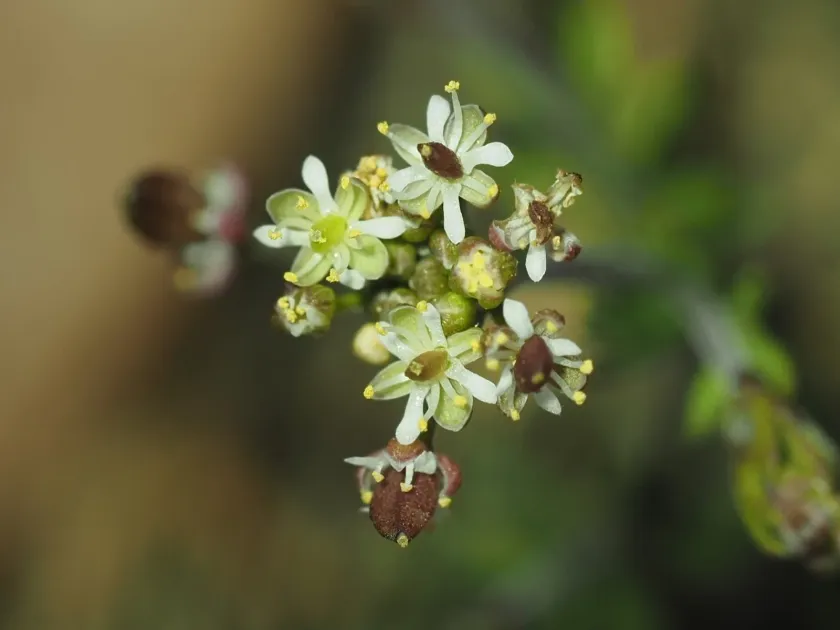
Description
Growing requirements
Hutchinsia petraea is an annual herb belonging to the Brassicaceae family. It is typically found in arid, rocky environments, displaying a significant ability to thrive in poor, stony soils where many other species fail to establish.
The plant requires high levels of solar radiation to complete its life cycle. It is sensitive to competition and prefers open areas where it can receive direct sunlight throughout the day without interference from larger vegetation.
Regarding soil preferences, this species necessitates excellent drainage. It is naturally adapted to limestone or rocky terrains with an alkaline pH. Any agricultural setup attempting to cultivate this plant must replicate these well-drained conditions to prevent root issues.
Temperature tolerance is a hallmark of this species, as it is perfectly adapted to the cold, fluctuating temperatures of early spring. It initiates growth very early in the season, utilizing moisture available from snowmelt or early spring rains.
In terms of practical application, it holds potential for restoring degraded stony slopes and enhancing soil stability in fragile landscapes. Its ability to extract nutrients from poor substrates makes it a candidate for niche phytoremediation projects.
Main diseases and pests
Fungal diseases are a primary concern when humidity levels remain high for extended periods. Powdery mildew can rapidly colonize the leaves, especially if the site lacks adequate air circulation and breeze.
Root rot pathogens are a persistent threat in environments with poor soil structure or water accumulation. Managing irrigation and ensuring perfect drainage is the most effective preventative strategy for this species.
Flea beetles are a notorious pest for members of the Brassicaceae family. They can cause severe damage to cotyledons and early foliage, often necessitating early monitoring and protective netting in intensive nursery conditions.
Aphids can cause significant stress during the blooming period, colonizing the flower stalks and draining the plant of essential sugars, which impacts the final seed set and plant vitality.
Slugs and snails can pose a problem in damp conditions, targeting the tender leaves of young plants. Maintaining a clean cultivation area and removing dense debris around the planting site helps mitigate these risks significantly.