
Hornungia pauciflora
Hornungia pauciflora
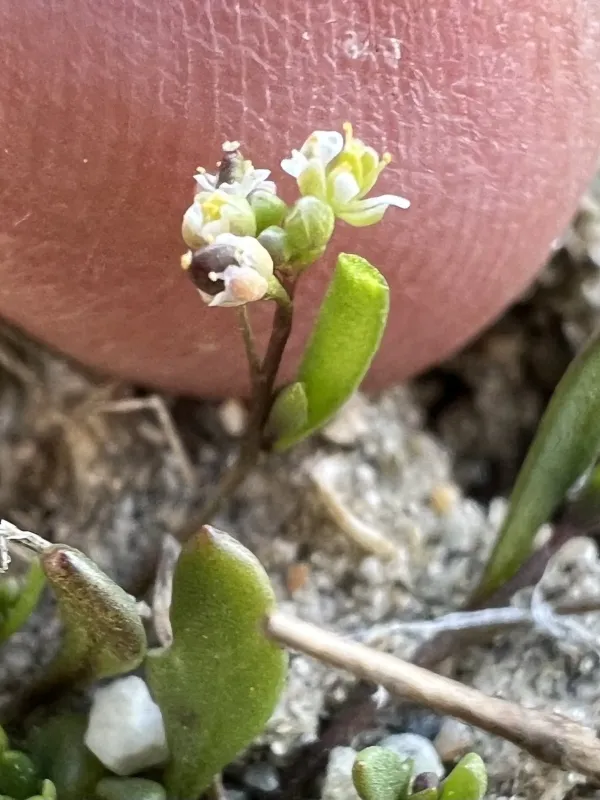
Description
Sowing dates
Hornungia pauciflora is an annual herb belonging to the Brassicaceae family. In agricultural settings, it is typically sown during early spring, benefiting from the moisture present in the soil following the winter season.
The sowing period generally spans from March to April. Precision in depth is critical, as the small seeds should not be buried deeper than 1–2 centimeters to ensure successful germination.
Seedbed preparation is vital; a fine, firm soil structure facilitates the rapid emergence of seedlings and supports early development of the root system.
Depending on the cultivation system, rows are usually spaced to allow for optimal plant density, preventing resource competition while maximizing total biomass production.
Early sowing provides the crop with a competitive advantage over potential weeds, reducing the need for intensive herbicide application during the growth phase.
Growing requirements
This crop thrives in well-drained, sandy loam or light loamy soils. It is particularly sensitive to waterlogging, which can cause significant stress to the root system and inhibit growth.
Hornungia pauciflora performs best in full sun exposure. It requires consistent light for photosynthetic efficiency and overall vigor throughout the growing season.
Regarding soil fertility, moderate application of nitrogen-based fertilizers during the vegetative stage helps in achieving higher yields, especially in soils with lower organic content.
The plant demonstrates good tolerance to cooler temperatures, making it a suitable candidate for temperate climates where spring temperatures remain relatively moderate.
Maintaining a balanced moisture regime through controlled irrigation is recommended, especially in regions prone to dry spells during the spring development phase.
Main diseases and pests
The most common pests affecting this crop include flea beetles, which can cause severe damage to young foliage during the critical seedling stage.
Fungal diseases, including various types of root rot, are often linked to improper soil moisture management and lack of drainage, leading to reduced plant health.
Implementing a proper crop rotation cycle is the most effective cultural practice to reduce the pressure from soil-borne pathogens and specific pests associated with the Brassicaceae family.
Regular field scouting is essential to identify early signs of infestation or disease, allowing for timely intervention and localized treatment protocols.
Using certified, clean seeds and treated material can significantly decrease the initial incidence of diseases within a newly established field.
Harvesting
For forage or green biomass purposes, the optimal harvest time occurs just before the onset of the flowering stage, ensuring peak nutrient concentration in the plant tissues.
When grown for seed production, monitoring for signs of pod maturity is essential to avoid yield loss due to natural dehiscence or shattering of the pods.
Harvesting machinery should be calibrated to handle the delicacy of the plant material while ensuring efficiency during the threshing process.
Post-harvest management involves immediate cleaning and drying of the produce to reach moisture levels safe for storage, preventing spoilage or fungal growth.
Properly stored seeds should be kept in cool, dry conditions to maintain viability for future planting cycles and protect against quality degradation.