
Zoegea purpurea
Zoegea purpurea
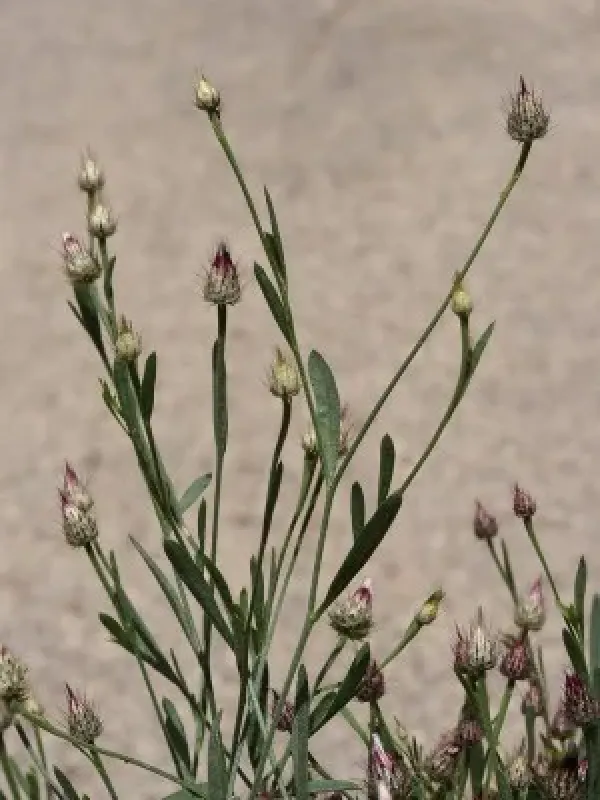
Description
Sowing dates
Zoegea purpurea is an annual herbaceous plant belonging to the Asteraceae family. It is recognized for its unique botanical structure, often cultivated for ornamental purposes in gardens or specialized experimental agricultural sites.
The sowing process typically occurs in late spring, once the soil has warmed up and the risk of frost has completely passed. In temperate climates, mid-to-late May is considered the ideal window for direct outdoor sowing.
For gardeners looking to extend the blooming season, indoor seed starting in April is highly recommended. Using individual pots helps in developing a strong root system before transplanting the seedlings to their final location.
The seeds should be covered lightly with soil, as they require specific light conditions for optimal germination. Proper spacing is essential to ensure that each plant receives adequate airflow and sunlight to prevent stunted growth.
After transplanting, the plants benefit from a brief period of adaptation. Maintaining moderate moisture levels immediately following the transfer to the garden bed will help the young plants establish themselves more effectively.
Growing requirements
Zoegea purpurea thrives in sunny, open locations with excellent exposure to direct light. It is sensitive to shade, which can cause the stems to stretch and the overall vigor of the plant to diminish over time.
The soil should be well-drained and light, such as sandy or loamy textures. The plant does not tolerate waterlogging, which makes site selection for drainage a critical component of successful cultivation.
This species exhibits remarkable drought resistance, making it an excellent candidate for low-maintenance garden designs. While it can withstand dry periods, consistent moisture during the initial growth phase yields superior results.
Fertilization should be handled with care. A balanced mineral fertilizer applied during the early vegetative stage supports robust stem formation and promotes healthier, more vibrant floral displays throughout the season.
Regular weeding and soil aeration around the root zone are fundamental practices for this plant. Keeping the area free from invasive weeds reduces competition for nutrients and ensures the plant reaches its full potential.
Main diseases and pests
The primary threats to Zoegea purpurea are fungal pathogens, specifically those that thrive in high humidity or stagnant soil conditions. Powdery mildew can be a significant issue if airflow between plants is restricted.
Sucking insects, such as aphids and spider mites, are common pests that frequently target this species. They feed on plant sap, leading to weakened growth and unsightly damage to the foliage and flower buds.
Effective management includes regular monitoring of the plants, particularly during hot and dry spells when pest populations tend to spike. Early detection is crucial for implementing non-toxic interventions.
Integrated pest management strategies are recommended, utilizing biological controls or targeted applications of insecticidal soaps. These methods are generally safer for the surrounding environment and beneficial pollinators.
Overall plant health is the best defense against pests and diseases. By providing optimal light, proper drainage, and balanced nutrients, the plants remain resilient and less susceptible to environmental stressors.