
Zoegea leptaurea
Zoegea leptaurea
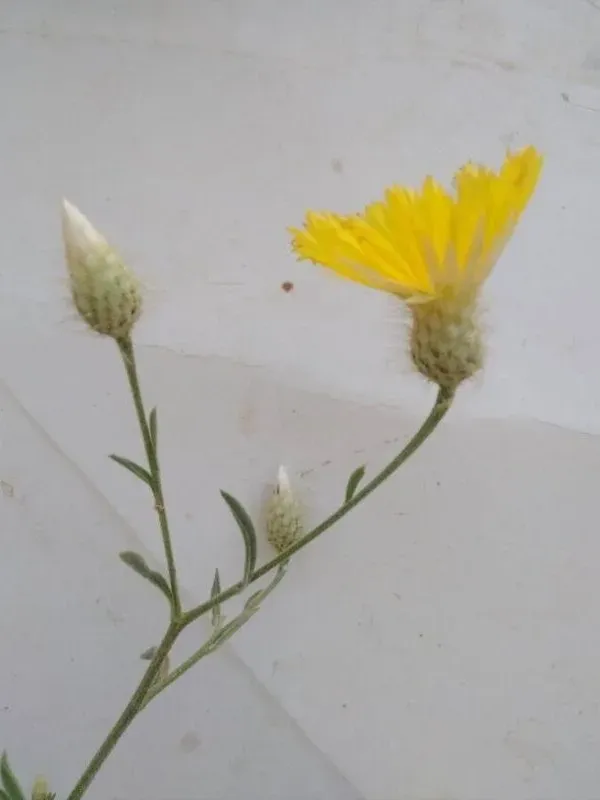
Description
Growing requirements
Zoegea leptaurea is an herbaceous flowering plant belonging to the Asteraceae family. Known for its distinct golden-colored inflorescences, it is primarily valued for its resilience in semi-arid environments where more sensitive crops often fail to thrive.
The plant originates from the arid regions of Central and Western Asia. Throughout its evolutionary history, it has adapted to harsh, dry climates, making it a subject of interest for sustainable agriculture in regions prone to extreme heat and limited water resources.
Botanically, the plant features a branched stem and specialized flower heads. Its root structure is designed to explore deeper soil profiles for moisture, which is a key survival trait that distinguishes it from shallow-rooted annuals found in typical crop fields.
Cultivation requires well-drained, sandy, or loamy soil conditions. High permeability is essential to prevent root rot, as the plant is highly susceptible to waterlogging. It thrives in soils with low to moderate fertility levels and does not require intensive nitrogen fertilization.
Environmental conditions must include full exposure to direct sunlight. The plant acts as a heliophyte, meaning it requires intense light levels for proper development and seed production. Exposure to high UV levels does not harm the plant but rather enhances its pigmentation.
Main diseases and pests
Common threats include fungal pathogens such as mildew and various root-inhabiting fungi that manifest during periods of high humidity. Proper field sanitation and soil drainage are the most effective management strategies for mitigating these disease risks.
Insect pests include aphids and mites, which can cause significant damage to young vegetative stages. Integrated pest management strategies, focusing on biological controls rather than broad-spectrum pesticides, are recommended to maintain ecological balance in the field.