
Zexmenia pinetorum
Zexmenia pinetorum
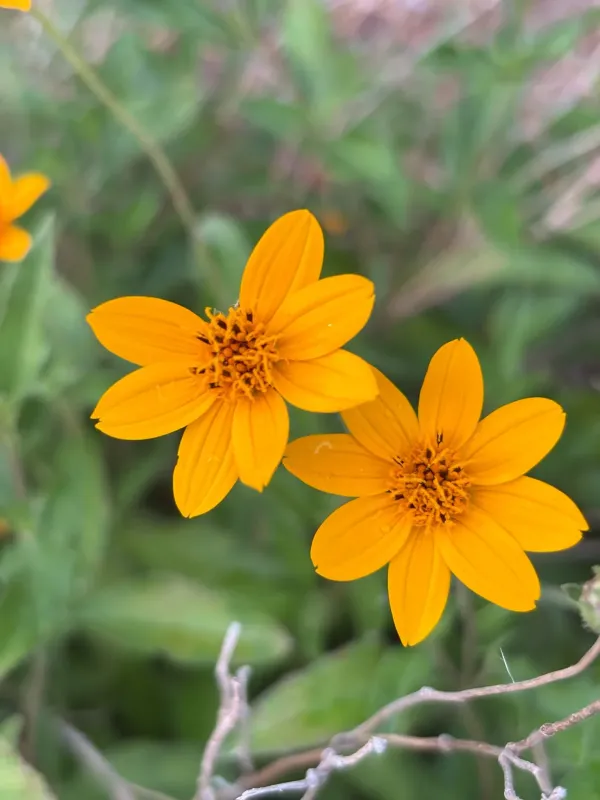
Description
Sowing dates
Zexmenia pinetorum is a herbaceous plant belonging to the Asteraceae family, which requires specific environmental conditions for optimal seed germination and establishment.
Sowing is typically performed in early spring once the soil temperature is consistently above 15 degrees Celsius to encourage rapid root development.
Seeds should be placed in a well-drained, porous growing medium to ensure adequate oxygen access for the developing embryo and to prevent waterlogging.
The optimal planting depth is approximately 1 to 2 centimeters, followed by a light irrigation schedule to maintain consistent but not excessive soil moisture.
Spacing between plants should be carefully managed, typically allowing for 40–50 centimeters, which ensures sufficient airflow and reduces the risk of fungal outbreaks.
Growing requirements
Native to the pine-oak forests of Central America, this plant thrives in environments that mimic its natural habitat with well-drained, slightly acidic to neutral soils.
It requires abundant sunlight for maximum vegetative growth, although it is capable of surviving in partial shade found at the edges of woodland areas.
The climate should be characterized by moderate rainfall; excessive humidity can cause severe stress and lead to the development of various soil-borne diseases.
Soil quality management is essential, and the incorporation of organic matter helps improve structure while providing necessary micronutrients for healthy growth.
Water management is critical for Zexmenia pinetorum; the irrigation regime should focus on deep watering rather than frequent light surface moisture applications.
Yield
The agricultural potential of Zexmenia pinetorum is often focused on its biomass production or its utility as a botanical resource in specialized garden systems.
Yields are maximized through balanced nutritional management and the elimination of weed competition, which can significantly stunt the growth of young plants.
Under ideal conditions, the plant produces dense foliage and numerous floral heads that can be harvested for industrial or ornamental secondary uses.
Predicting yield requires monitoring the development stages from germination to the peak of the flowering period, which signals the optimal time for harvesting.
Sustainable cultivation practices, including careful soil monitoring, ensure that the plant maintains high productivity levels across multiple growing seasons.
Main diseases and pests
The most common health issues for Zexmenia pinetorum include powdery mildew and root rot, which are often exacerbated by poor ventilation and high humidity.
Pests such as aphids and spider mites are frequent threats that can quickly compromise the plant's health by sapping vital nutrients from the leaves and stems.
Integrated pest management, utilizing both biological controls and targeted interventions, is recommended to keep pest populations below the economic injury level.
Crop rotation remains the most effective prophylactic strategy to reduce the incidence of soil pathogens that persist in the field after a harvest.
Regular field scouting is essential to identify symptoms of stress or infestation at an early stage, allowing for more precise and effective corrective actions.
Harvesting
Harvesting strategies vary depending on the end-use, with the primary objective being to capture the plant when its chemical profile or aesthetic value is at its peak.
For biomass production, harvesting takes place during the full-flowering phase, ensuring that the maximum accumulation of plant compounds is achieved.
Mechanical harvesting must be performed with precision to avoid unnecessary bruising, which can accelerate the degradation of the harvested plant material.
Post-harvest management involves immediate drying in well-ventilated, shaded areas to maintain quality and prevent the growth of secondary pathogens during storage.
Final processing involves sorting and cleaning the material to remove debris, ensuring the product meets the necessary standards for market distribution or further processing.