
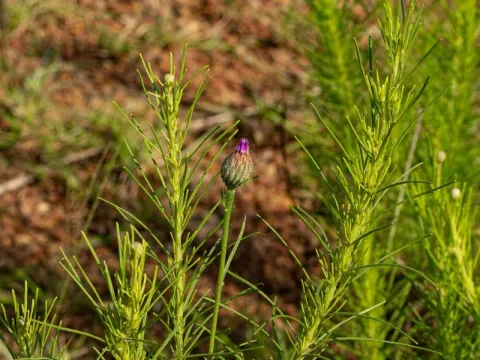
Vernonia perrottetii
Vernonia perrottetii
Sowing of Vernonia perrottetii in its natural habitat coincides with the onset of the rainy season, which provides the seeds with the necessary moisture for successful germination. In cultivation, the optimal sowing time is when the soil warms up to a stable +20...+25 degrees Celsius.
What the section contains
Vernonia perrottetii
The seeds of this crop are characterized by high viability, but they require pre-planting preparation to increase germination energy. The sowing depth in the soil usually does not exceed 1–2 centimeters, which is due to their small size.
When sowing in rows, it is important to maintain a distance between plants to ensure the full development of the leaf rosette. Excessive planting density leads to competition for light and nutrients, which negatively affects crop productivity.
In industrial scales, both direct sowing into prepared substrate and preliminary seedling cultivation in greenhouses are practiced. The seedling method is preferred in regions with a short growing season to ensure uniform emergence.
An important stage is soil moisture control immediately after sowing, as Vernonia seeds are sensitive to the drying of the top layer. In the first weeks of growth, the crop needs regular watering and weed protection.
Vernonia perrottetii belongs to the Asteraceae family and is a perennial herbaceous plant adapted to the conditions of tropical and subtropical regions of Africa. The crop prefers well-drained, fertile soils with a neutral or slightly acidic pH.
For normal development, the plant requires intense sunlight, as shade causes stem elongation and a decrease in the concentration of secondary metabolites in the tissues. It shows resistance to temporary temperature fluctuations but reacts negatively to water stagnation in the root zone.
Agronomic management includes regular inter-row cultivation, which promotes soil aeration and prevents the formation of a surface crust. Optimal moisture levels are achieved through mulching, which also suppresses weed growth.
The plant responds well to the application of balanced organic fertilizers during the active growing season. Nitrogen fertilization should be used with caution to avoid excessive green mass growth at the expense of reproductive organ development.
When grown as a commercial crop, it is necessary to maintain an optimal temperature range from +22 to +30 degrees Celsius. This ensures intensive photosynthesis and the accumulation of biologically active substances in the aerial part of the plant.
The yield of Vernonia perrottetii depends on the agronomic background and the strict adherence to harvest timelines for plant material. On average, the yield of dry matter per unit area can vary depending on planting density.
Maximum productivity levels are achieved by ensuring regular irrigation and timely fertilization during the budding phase. An important factor is the quality of the planting material and adherence to crop rotation in the fields.
The economic use of the crop is primarily focused on the pharmaceutical industry, where extracts obtained from leaves and inflorescences are highly valued. Standardization of harvesting allows for a stable chemical composition of the raw materials.
Assessment of cultivation efficiency is carried out by measuring total biomass and subsequent analysis of target compound concentrations. To increase profitability, farms try to use intensive farming methods.
With proper organization of the harvesting process, Vernonia perrottetii shows stable growth dynamics, making it promising for inclusion in production cycles in regions with suitable climates.
Like many members of the Asteraceae family, Vernonia perrottetii is susceptible to fungal diseases in conditions of high air humidity. The most common issues are powdery mildew and various types of leaf spots that develop in dense plantings.
Pests, such as aphids and spider mites, can cause significant damage to young shoots during dry periods. To control their population, it is recommended to use biological protection methods and monitor insect populations.
To prevent the spread of infections, it is necessary to follow sanitary rules: remove infected plant parts and prevent air stagnation in plantings. Preventative treatments with microbiological preparations significantly reduce the risk of loss.
The soil should be free from root rot pathogens, so it is recommended to avoid continuous cropping on the same plot. Rotating crops with plants from other families is the basis of agronomic protection.
A comprehensive approach, including the selection of resistant varieties and agronomic measures, allows for minimizing the negative impact of pests and diseases on the final production result.
The harvest of Vernonia perrottetii is carried out during the period of mass flowering, when the concentration of useful substances in the plant reaches its maximum. During this period, it is important to harvest in dry weather to avoid spoilage of raw materials during storage.
The cut green mass is subjected to immediate drying in the shade with good ventilation or in specialized dryers at a controlled temperature. This prevents fermentation and the loss of biologically active compounds.
Mechanization of harvesting allows for significantly accelerating the process, but requires careful handling of inflorescences to maintain the integrity of the material. On small plots, manual harvesting is often used to ensure higher selection quality.
After harvesting, the plant material is sorted, cleaning it from impurities, soil, and damaged parts. This is necessary to ensure the product meets the high quality standards of the pharmaceutical market.
Storage of dried raw materials is carried out in airtight containers or thick paper bags in dark, cool rooms protected from moisture and pests. Proper packaging guarantees the preservation of all the medicinal properties of the plant.