
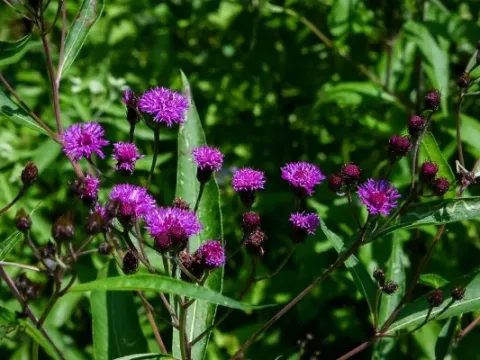
Vernonia chapmanii
Vernonia chapmanii
Vernonia chapmanii is a perennial herbaceous plant. Sowing is best performed in the spring season once the soil has adequately warmed up to ensure uniform germination and seedling establishment.
What the section contains
Vernonia chapmanii
Seed stratification is recommended to break dormancy and improve the overall percentage of viable sprouts. Professional nurseries often sow seeds in controlled environments to optimize temperature and light exposure.
When sowing in open fields, the depth should be kept shallow, typically 1 to 2 centimeters. This depth allows for the proper interaction between the seed and soil moisture while ensuring the seedling can reach the surface efficiently.
Proper spacing between plants is essential for airflow and development. Ideally, rows should be placed at least 50 centimeters apart, allowing each plant sufficient room to establish its root system and foliage.
Regular monitoring of soil moisture during the germination phase is critical. While the plant is drought-tolerant once established, young seedlings require consistent hydration to develop strong roots.
As a member of the Asteraceae family, Vernonia chapmanii thrives in open, sunny environments. Maximum solar exposure is vital for the physiological processes that lead to vigorous growth and health.
The plant prefers well-drained, fertile soil. Waterlogged conditions are detrimental and can lead to immediate failure, so selecting elevated or well-drained sites is a primary requirement for successful commercial production.
Temperature adaptability is one of the strengths of this species. It can withstand various environmental stresses, provided that the soil structure allows for adequate aeration and deep root penetration.
Nutrient management involves regular additions of phosphorus and potassium to support the development of floral structures. Nitrogen applications should be managed carefully to avoid excessive succulent growth that may be prone to lodging.
Winter maintenance includes mulching to protect the crown and roots from severe frost in colder regions, ensuring the plant returns with vigor in the following growing season.
The yield potential of Vernonia chapmanii depends largely on the quality of soil management and the consistency of the growing season. High yields are achievable through intensive care, including weed suppression.
Biomass production is often the primary objective for harvest, with the secondary goal being the extraction of secondary metabolites used in various herbal applications.
Yield stability is bolstered by the plant's natural resilience. With correct density and adequate nutrient levels, growers can achieve consistent harvests over multiple years from the same plantation.
Optimal timing of harvest significantly impacts the final dry matter yield. Cutting at the onset of flowering ensures the highest concentration of desired compounds within the plant tissues.
Field data suggests that well-managed, weed-free plantations show an increase in per-hectare yield as the plant maturity increases over the first three years of establishment.
Fungal pathogens such as powdery mildew can be a threat in stagnant, humid air conditions. Ensuring proper plant density and airflow is the most effective cultural method to reduce this risk.
Pests such as aphids may infest the succulent tops during the growing season. Early detection and the use of integrated pest management (IPM) strategies are highly effective in maintaining crop health.
Root rot is the most serious threat, usually caused by poor drainage or excessive irrigation. Implementing strict watering schedules and selecting sites with high natural drainage will minimize this threat.
Competition from weeds is significant during the early stages of plant development. Manual or mechanical weeding between rows is necessary until the plant canopy closes.
Biosecurity measures, such as cleaning equipment between different plots, are essential to prevent the spread of soil-borne pathogens across the entire cropping area.