
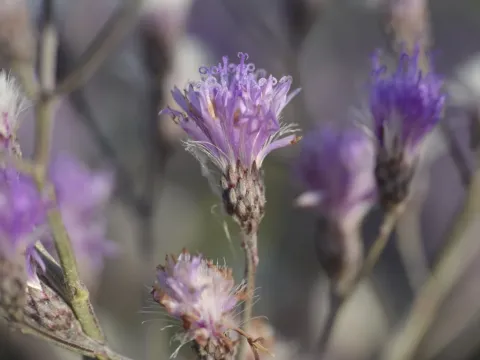
Vernonia incana
Vernonia incana
Sowing of Vernonia incana is typically carried out in the spring, once the soil has warmed to a temperature of 12–15 degrees Celsius. Ensuring proper contact between seeds and the moist soil is essential for uniform germination.
What the section contains
Vernonia incana
In temperate climates, the optimal sowing period is late April or early May. This timing allows the plant to take full advantage of spring soil moisture to establish a robust root system before the summer heat.
The sowing depth should be shallow, generally between 1 and 2 centimeters. Due to the small size of the seeds, precise drilling is necessary to prevent them from being buried too deep, which could delay or inhibit emergence.
For commercial production, a row spacing of 45–60 centimeters is recommended. This layout facilitates effective mechanical weeding and provides adequate space for plant development, reducing competition for resources.
Effective seedbed preparation is crucial, with fields cleared of perennial weeds. A level surface ensures even germination and simplifies all subsequent agricultural operations during the growth cycle.
Vernonia incana, a member of the Asteraceae family, is a perennial herb known for its adaptability. It thrives in a variety of soil types, including sandy and loamy soils, provided they are well-drained.
The plant exhibits significant drought tolerance, which is facilitated by the dense pubescence on its leaves and stems. This physical characteristic helps minimize water loss through transpiration in arid conditions.
Full sun exposure is a requirement for optimal development and prolific flowering. Shading can result in leggy plants and reduced production of secondary metabolites, such as the industrial oils the plant is cultivated for.
The ideal soil pH range for Vernonia incana is between 6.0 and 7.5. In acidic environments, liming is recommended to improve the availability of essential micronutrients and support healthy vegetation growth.
While hardy, the crop responds positively to moderate applications of phosphorus and potassium fertilizers. Nitrogen should be managed carefully to avoid excessive vegetative growth that could reduce reproductive yield.
Vernonia incana is primarily valued for its potential to produce high-quality industrial oils. Its seeds contain a unique profile of fatty acids that make them a valuable feedstock for chemical manufacturing.
Crop yields are heavily influenced by stand density and seasonal climate conditions. Under good management, this perennial crop offers the advantage of multiple years of production from a single planting effort.
In addition to oil production, the biomass of Vernonia incana holds potential for fiber extraction. Ongoing research aims to better understand the secondary utility of the plant, potentially increasing its economic value.
Breeding programs are focused on improving seed oil content and synchronizing flowering and ripening. These advancements are critical for making the crop more competitive and attractive for large-scale agricultural use.
Monitoring moisture content during harvest is vital for calculating accurate yield figures. Proper post-harvest handling ensures that the quality of the oil is preserved, meeting the requirements of industrial buyers.
Vernonia incana is naturally resistant to many common agricultural pests due to the presence of specific phytochemicals. However, high humidity can occasionally create favorable conditions for fungal diseases.
Powdery mildew is the most frequent challenge, particularly in dense stands with poor airflow. Maintaining proper plant spacing and managing weed competition are effective preventive measures against these pathogens.
Root rot may occur in poorly drained, waterlogged soils. Selecting sites with good topography and soil structure is the best long-term strategy for protecting the root system and ensuring plant longevity.
Pest outbreaks, such as aphids, are generally sporadic and rarely reach economic thresholds on established plants. Early monitoring allows for prompt intervention without the need for intensive chemical use.
Integrated pest management, which includes crop rotation and the use of clean seed stock, is recommended to ensure the health of the plantation and to align with sustainable farming practices.
Timing the harvest is critical because the seeds of Vernonia incana are prone to shedding once they reach maturity. Harvesting should commence when the majority of flower heads have turned brown.
Mechanical harvesting requires careful adjustment of the combine settings to minimize seed loss. Specifically, the drum speed must be calibrated to ensure a clean threshing process without damaging the oil-rich seeds.
A two-stage harvesting approach, involving swathing before threshing, can be beneficial in fields with uneven ripening. This allows the plants to reach full maturity in the swath, improving overall efficiency.
Once harvested, the seed mass must be cleaned promptly to remove debris and foreign material. Impurities can hold moisture, leading to spoilage, self-heating, and degradation of the seed quality.
Drying the seeds to a moisture content of 10 percent or less is essential for safe storage. Proper storage conditions ensure that the oil quality remains intact until the seeds are processed at the mill.