
Tourneuxia variifolia
Tourneuxia variifolia
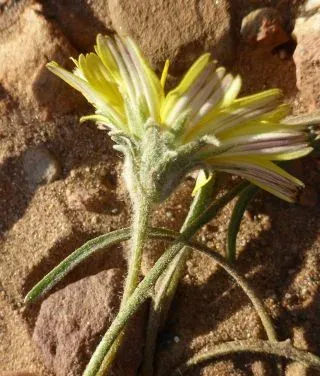
Description
Sowing dates
Tourneuxia variifolia is an annual herbaceous plant belonging to the Asteraceae family. Originating from the arid regions of North Africa, it is a specialized crop adapted to survive in harsh environmental conditions.
The biological cycle of this plant is strictly tied to seasonal precipitation patterns. In an agricultural setting, timing the sowing is crucial; it must coincide with the end of the dry season to capitalize on moisture availability.
Seeds require a specific temperature range to break dormancy. Sowing in cold soil significantly reduces germination rates and leaves the seedlings vulnerable to soil-borne pathogens.
Row planting is recommended to ensure adequate air circulation and to reduce competition for nutrients. Spacing should be determined by the specific soil fertility, with wider rows in poorer soils to allow for greater root expansion.
Given the small size of the seeds, depth control is essential. A shallow placement, barely covering the seeds with soil, ensures maximum exposure to the light necessary for the initial stages of germination.
Growing requirements
The plant thrives in well-drained, sandy, or light-textured soils. It is highly intolerant of waterlogging, which often results in the immediate onset of root rot and total loss of the crop stand.
As a heliophyte, Tourneuxia variifolia demands maximum sunlight exposure. Any form of shading or high-density canopy will lead to etiolated, weak stems and a significant decline in overall biomass production.
While drought-tolerant, the crop responds positively to irrigation during the vegetative phase. Water management is a key factor in maximizing the volume of foliage harvested per hectare.
Soil pH should remain in the neutral to slightly alkaline range. Nutrient requirements focus heavily on potassium, which aids in water regulation within the plant tissues and increases tolerance to temperature extremes.
Optimal environmental conditions involve stable, warm days with minimal nocturnal temperature drops, which helps maintain the metabolic rate required for rapid growth during the short growing season.
Yield
The agricultural value of this species lies in its ability to produce nutrient-dense biomass in regions where conventional forage crops often fail due to extreme climatic stress.
Yield metrics are largely dependent on the moisture regime and the availability of nitrogen during the early stages of development. Regular fertilization can lead to multiple cuts in a single season.
In terms of forage quality, the plant provides essential fiber and moderate protein content. It serves as an excellent supplemental feed for livestock grazing in arid or semi-arid agricultural landscapes.
Seed yield is a critical aspect for sustainable farming. Proper harvesting techniques are required to prevent seed scattering, which is a natural dispersal mechanism of the plant as it dries out.
Efficiency in production is reached when soil management and irrigation are synchronized with the plant’s biological growth phases, allowing for consistent output despite unpredictable weather patterns.
Main diseases and pests
Fungal pathogens such as mildew and leaf spot are the primary threats when humidity levels rise unexpectedly. These infections can spread rapidly across a field if moisture remains on the foliage for too long.
Common aster-family pests, including aphids and various beetle larvae, can cause significant damage to the plant's structural integrity. Integrated pest management strategies are necessary for large-scale operations.
Weed competition poses a severe threat, especially during the first weeks after germination. The slow initial growth of the plant means it cannot easily outcompete faster-growing invasive grasses.
Nematode infestations can lead to stunted growth and yellowing of foliage. Crop rotation is highly recommended to break the life cycle of soil-borne pests that affect the plant's root system.
Abiotic stress factors such as sandstorms or strong winds can cause physical damage, potentially lodging the stems and introducing dust and debris into the biomass, which lowers the forage quality.
Harvesting
The timing of the harvest is vital for maximizing nutritional quality. The ideal window is during the late budding stage, before the plant allocates its remaining energy resources toward seed production.
Mechanical harvesting requires sharp cutting tools to achieve a clean cut without tearing the base of the stem, which can lead to further fungal contamination or permanent damage to the root system.
For seed production, the harvest must wait until the floral structures reach maturity and turn brown. This ensures that the seeds are fully developed and will have high viability for future planting.
Post-harvest handling involves drying the biomass quickly to a stable moisture content. Sun-drying is the traditional method, but controlled air-drying is preferred to preserve protein levels.
After the harvest, seeds must be cleaned of all chaff and debris. Proper storage in cool, dry conditions is necessary to maintain the shelf life and germination potential of the seed stock for the following year.