
Dahlberg daisy
Thymophylla tenuiloba
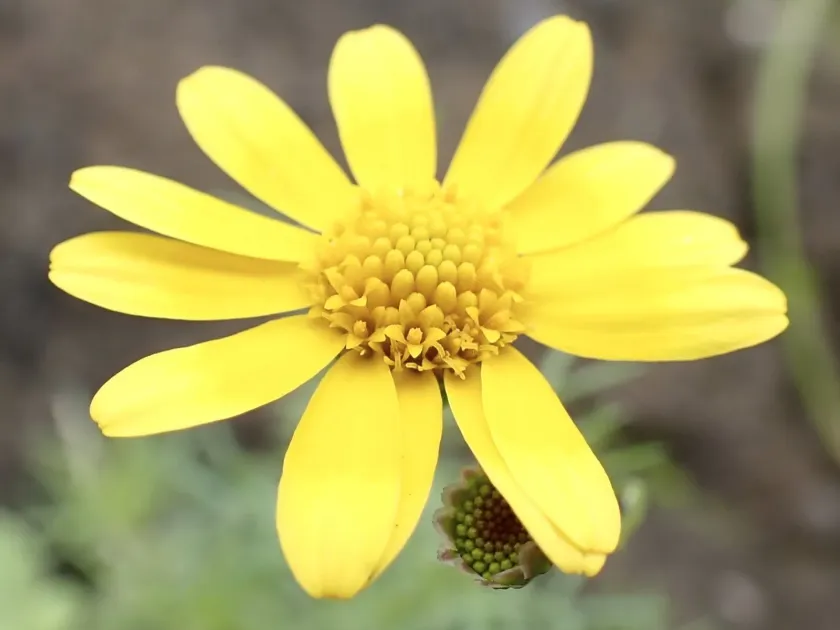
Description
Sowing dates
Dahlberg daisy is typically grown from seeds sown indoors in early spring, about six to eight weeks before the last expected frost. The seeds require light for germination and should be sown on the surface of the growing medium.
Maintain an ambient temperature of around 20 degrees Celsius to ensure rapid germination. Providing a bright location or supplementary lighting is essential to prevent etiolation of the young seedlings.
Transplanting the seedlings into individual pots should occur once they develop their first set of true leaves. This promotes the development of a dense and fibrous root system suitable for outdoor transplantation.
Hardening off the seedlings is a critical stage before moving them outdoors. Gradually introduce the plants to external conditions over a period of ten days to reduce transplant shock.
Final planting in the garden should occur once the soil has warmed up and all risks of frost have passed. Space the plants approximately 20 centimeters apart to allow for optimal air circulation.
Growing requirements
Thymophylla tenuiloba, commonly known as Dahlberg daisy, belongs to the Asteraceae family. It is native to the southwestern United States and Mexico, thriving in arid and semi-arid climates.
The plant demands full sun exposure to maintain its compact, rounded shape and to produce an abundance of bright yellow flowers. Partial shade often results in leggy growth and reduced blooming.
Regarding soil, the Dahlberg daisy is highly adaptable but performs best in well-draining, sandy or gravelly soil. It is exceptionally tolerant of poor, infertile soils where many other garden plants would struggle.
Water requirements are minimal once the plant is established. It is a drought-tolerant species that prefers drier conditions, making it an excellent choice for xeriscaping or rock gardens.
Fertilization is rarely necessary for this species. Excess nitrogen promotes lush foliage but will significantly decrease the plant's flower production and overall resilience to environmental stress.
Main diseases and pests
Root rot is the primary threat to the Dahlberg daisy, usually caused by overwatering or poorly drained soil. Ensuring the substrate dries out between watering intervals is the most effective preventative measure.
Aphids are the most common insect pest encountered, often attacking the tender flower buds and new growth. They can be managed by applying insecticidal soaps or neem oil in the early morning.
Powdery mildew can infect foliage during humid or damp spells, particularly if the planting density is too high. Improving air circulation around the plants helps to mitigate this fungal issue.
Spider mites may become a nuisance in extremely hot and dry summer months. Monitoring the undersides of the leaves regularly allows for quick intervention before the infestation spreads significantly.
In cases of severe weather, such as heavy rain, the delicate structure of the plant may be temporarily flattened. However, it usually recovers quickly once sunny and dry conditions return to the environment.