
Thymophylla acerosa
Thymophylla acerosa
Description
Growing requirements
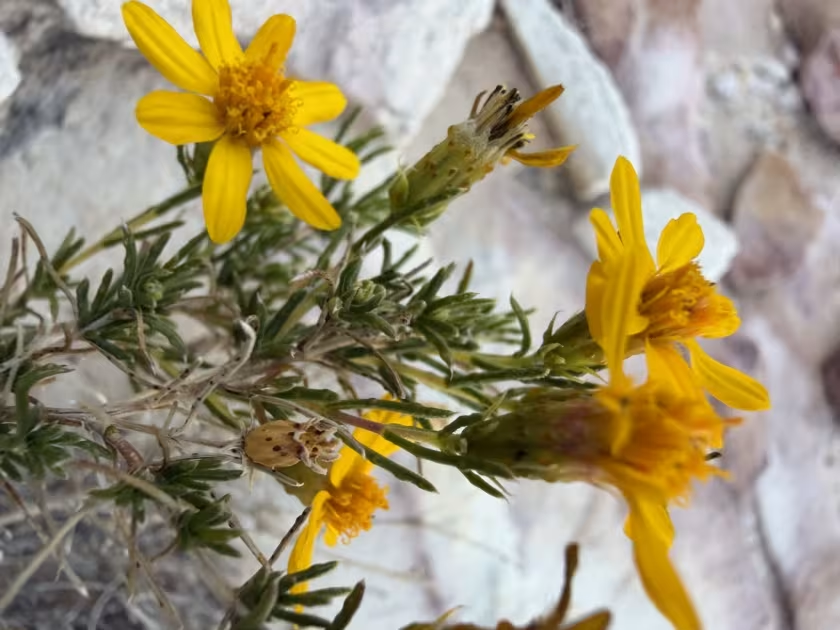
Thymophylla acerosa, commonly known as needleleaf thymophylla, is a perennial subshrub belonging to the Asteraceae family. It is native to the arid regions of the Southwestern United States and Northern Mexico. This plant is a typical desert xerophyte, evolved to survive in harsh conditions with very low annual rainfall.
Botanically, the plant is characterized by its woody base and needle-like leaves, which are an evolutionary adaptation to arid environments. The plant forms dense, rounded clumps, typically reaching a height of 8 to 12 inches. It produces small, bright yellow daisy-like flowers that bloom throughout the warmer months, contributing to its ornamental value.
The cultivation of Thymophylla acerosa requires full sun exposure and well-draining soil, such as rocky or sandy loam. It is highly intolerant of waterlogged conditions, which usually lead to root rot. The soil should ideally have a neutral to slightly alkaline pH to mirror its natural habitat's chemical composition.
In terms of agronomic practice, the plant requires very little maintenance once established. Irrigation should be kept to a minimum, as the plant thrives under drought conditions. It is frost-tolerant to a certain degree, making it suitable for high-altitude desert regions where temperatures can fluctuate significantly.
The primary use of Thymophylla acerosa is in xeriscaping and sustainable landscaping. It is highly valued for its ability to provide ground cover and floral interest in arid climates without the need for supplemental watering, making it a key component in water-conscious gardening and ecological restoration projects.
Main diseases and pests
The main threats to Thymophylla acerosa are fungal pathogens resulting from excessive soil moisture or high humidity. Root rot caused by poor soil drainage is the most significant cause of mortality in cultivated environments, requiring strict control over irrigation schedules.
Pest issues are generally rare under outdoor desert-like conditions. However, in greenhouse or poorly ventilated areas, the plant may be susceptible to spider mites or aphids. Monitoring the foliage and maintaining proper air circulation are the most effective strategies to prevent infestation and disease.