
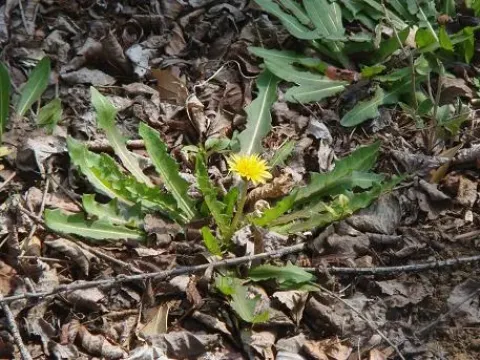
Taraxacum venustum
Taraxacum venustum
Taraxacum venustum is a perennial herbaceous plant belonging to the Asteraceae family. In agricultural practices, seeds are typically sown in early spring once the soil temperature is suitable for germination.
What the section contains
Taraxacum venustum
Proper sowing requires a well-prepared seedbed with fine soil particles. Seeds should be planted at a shallow depth to ensure adequate light exposure, which is necessary for their development.
Row spacing is maintained at 40–50 cm to facilitate mechanical weeding and ensure optimal nutrient distribution. A uniform seed density is critical for achieving a standardized harvest.
Farmers often implement late autumn sowing to leverage winter moisture for early spring growth. This approach helps in achieving higher uniformity across the entire crop area.
Successful establishment of the crop depends largely on the quality of the seeds used. High-viability seeds provide a competitive advantage against potential weeds in the early stages.
The crop thrives in sunny locations with well-drained, fertile soil. It performs best in loam or sandy-loam soils that offer excellent structure and root penetration capabilities.
Water requirements are moderate, with a need for consistent soil moisture throughout the vegetative phase. However, the crop is sensitive to waterlogging, which must be avoided.
Climate adaptability is a notable feature of Taraxacum venustum. It exhibits robust growth in temperate zones, enduring seasonal variations in temperature and light availability.
Soil nutrient management should focus on balanced phosphorus and potassium supply. Excessive nitrogen application is avoided as it can affect the root quality and composition.
The plant is relatively hardy and can survive harsh winter conditions. Proper field management during the growing season ensures the plant enters dormancy in good health.
The crop can be susceptible to various fungal pathogens under high humidity conditions. Root rot is a common threat, typically resulting from poor soil drainage systems.
Pests like aphids and certain species of soil-dwelling larvae may cause damage during the early growth stages. Integrated pest management is recommended for effective control.
Leaf spots caused by fungal infections can reduce photosynthetic efficiency. Regular scouting of the field is necessary to identify early symptoms and prevent significant damage.
Weed competition is a major factor in the reduction of yield. Mechanical cultivation between the rows is an essential practice to maintain the health of the plant stands.
Effective management strategies include crop rotation and the use of resistant varieties where available. Maintaining field hygiene is essential for long-term production success.
Harvesting for roots occurs in late autumn when the plant has concentrated significant energy stores. This timing ensures the highest content of active compounds in the roots.
Leaves are harvested in the spring before the floral stems begin to develop. This practice focuses on obtaining high-quality tender greens for various industrial and culinary uses.
Post-harvest processing involves thorough cleaning of the roots to remove debris. Mechanical washers are often used in commercial operations to increase efficiency and maintain hygiene.
Drying must be conducted in controlled environments to prevent fermentation or degradation. Precise temperature control ensures that the quality standards of the final product are met.
Storage facilities should be cool, dry, and dark. Proper packaging protects the harvested material from moisture and pests, extending the shelf life of the raw agricultural product.