
Taraxacum serotinum
Taraxacum serotinum
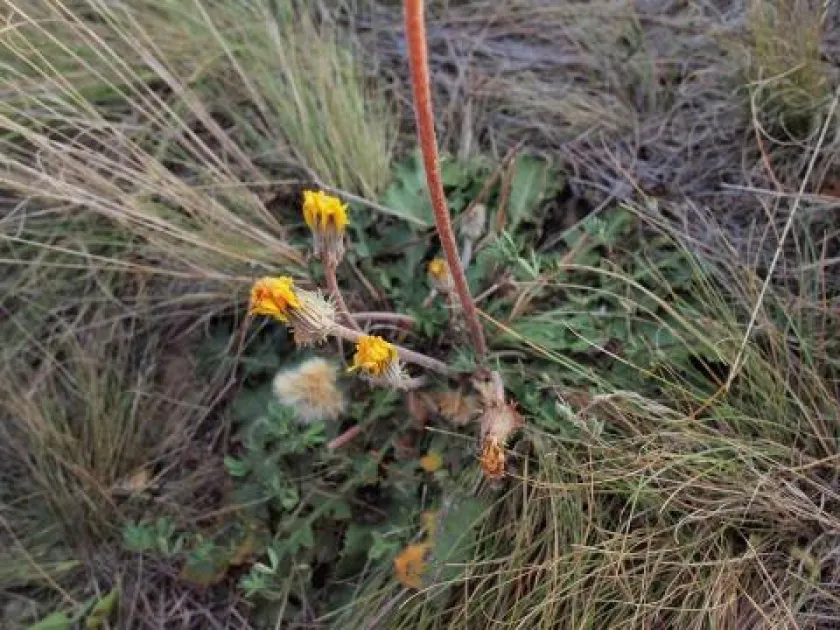
Description
Growing requirements
Taraxacum serotinum is a perennial plant species belonging to the Asteraceae family. It is natively distributed across the steppe regions of Eurasia, thriving in habitats characterized by high solar radiation.
The plant is highly adapted to dry environments, including saline and rocky soils where moisture availability is often limited during the peak summer months.
Its botanical structure includes a thick taproot capable of reaching deep into soil profiles to extract subsoil water, which supports the plant through prolonged drought conditions.
Climatic requirements focus on open-field conditions with significant light exposure. It shows remarkable resilience to thermal stress and is considered an important component of steppe biodiversity.
In terms of agricultural interest, this species is studied for its potential use as a bio-indicator of soil health and as a hardy, low-maintenance cover crop for arid land restoration projects.
Main diseases and pests
Typical plant health issues for Taraxacum serotinum include infections by rust fungi (Puccinia spp.), which can negatively affect photosynthetic capacity during the flowering stage.
Insect pests such as aphid colonies frequently target the succulent parts of the leaf rosette, causing curling and reducing the overall vigor of the plant.
Root-feeding larvae, including those of various soil-dwelling beetles, pose a structural threat to the longevity of the plant by disrupting its primary water transport system.
Management practices to mitigate threats involve ensuring optimal soil drainage and avoiding overcrowded planting, which helps reduce the localized microclimate humidity.
Regular monitoring during the rapid growth phase is essential to identify early signs of fungal outbreaks, allowing for timely mechanical or biological intervention.