
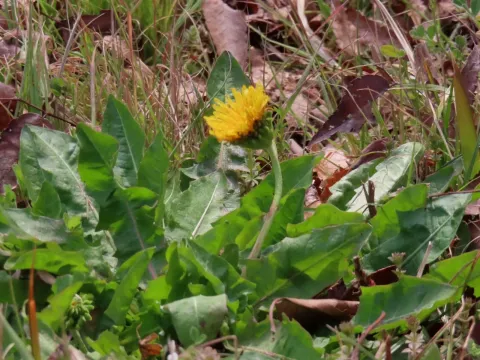
Taraxacum platycarpum
Taraxacum platycarpum
Taraxacum platycarpum, a member of the Asteraceae family, is typically propagated via seeds. Sowing is best performed in early spring when the soil temperature consistently reaches 5–10 degrees Celsius.
What the section contains
Taraxacum platycarpum
Seeds are sown shallowly, at a depth of 1–2 cm, as they require adequate light to germinate successfully. Ensuring good soil contact is essential for maintaining consistent moisture levels during the germination phase.
Row spacing should be approximately 30–40 cm, allowing for effective aeration and weed control throughout the growing season. Early development focuses on the establishment of a robust taproot system.
Thinning of seedlings is recommended once they reach the stage of 3–4 true leaves. This reduces intra-specific competition and promotes the healthy growth of individual plants.
During the first year, the focus is on vegetative growth and root accumulation. Proper density ensures that each plant receives sufficient nutrients and sunlight to thrive.
This crop thrives in open, sunny locations. Full exposure to sunlight is a primary requirement for the plant to achieve its potential, especially when cultivated for its medicinal properties.
Soil requirements include well-drained loamy textures with a neutral pH level between 6.0 and 7.5. The species is highly sensitive to waterlogged conditions, which can lead to root degradation.
While the plant is hardy and adapts to various climates, supplemental irrigation is beneficial during prolonged dry spells. Consistent moisture promotes the expansion of the leaf rosette.
Organic fertilizers are preferred over synthetic nitrogen inputs. Excessive nitrogen encourages rapid leaf growth at the expense of root density and the concentration of secondary metabolites.
Regular weeding is essential for this plant, as it has a slow initial growth rate and can easily be outcompeted by invasive weeds in its early stages of development.
Fungal pathogens such as powdery mildew and rust are common threats to this crop. These diseases affect the foliage, significantly reducing the photosynthetic efficiency of the plants.
Pests like aphids and root-eating larvae pose a consistent risk. Aphids weaken the plant by feeding on sap, while soil-dwelling larvae can compromise the integrity of the main taproot.
Implementing an integrated pest management strategy is key to success. This includes crop rotation and the mechanical removal of diseased plants to prevent the spread of localized outbreaks.
Adequate ventilation within the planting area is necessary to minimize the humidity levels that favor fungal growth. Crowding the plants often worsens these pathological conditions.
Regular scouting for pest activity is recommended throughout the vegetative stage. Early detection allows for the application of biological control methods before significant economic damage occurs.