
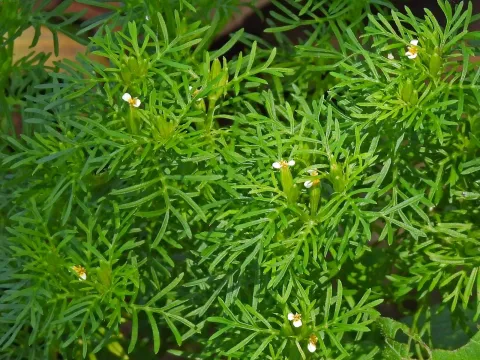
Tagetes filifolia
Tagetes filifolia
Sowing Tagetes filifolia seeds is primarily conducted in greenhouses or under controlled conditions in early spring. The seeds are extremely fine and require only a light covering of soil to germinate successfully.
What the section contains
Tagetes filifolia
Direct seeding in open fields is feasible in regions with temperate climates once the danger of spring frost has completely passed. Soil temperatures should be kept at around 18–20 degrees Celsius for optimal results.
When transplanting seedlings, spacing should be maintained at 25–30 centimeters apart to ensure adequate airflow between plants. This practice significantly reduces the risk of fungal infections within the canopy.
Rotation is essential; avoid planting Tagetes filifolia in areas previously occupied by other Asteraceae family members. This helps prevent the accumulation of soil-borne pathogens and pests specific to the family.
Using a well-draining, nutrient-rich seed starter mix will promote strong initial development. Consistent moisture is vital during the early stages of growth until the seedlings are established.
Tagetes filifolia is a sun-loving plant native to Mexico and Central America. It thrives in locations with full sun exposure, which is necessary for the development of its unique aromatic oils.
The plant adapts well to various soil types but performs best in light, sandy, or loamy soils with excellent drainage. Poor drainage can lead to root suffocation and rapid decay of the plant tissue.
While the plant displays moderate drought tolerance once mature, regular irrigation is essential for maintaining high-quality foliage throughout the growing season. Avoid waterlogging at all times.
Balanced fertilization can support healthy growth; however, excessive nitrogen should be avoided as it may promote vegetative growth at the expense of essential oil concentration in the leaves.
Regular weeding and surface cultivation are recommended to improve aeration of the soil around the root zone, which ultimately contributes to higher crop productivity and health.
The primary threats include fungal diseases like root rot, which typically occur under conditions of excessive moisture and poor soil ventilation. Proper drainage is the best preventative measure.
Pests such as aphids and spider mites can become an issue during dry, hot weather. Regular inspection of the undersides of leaves is recommended for early detection and manual or biological control.
In cases of heavy infestations, integrated pest management practices should be employed. Since this is an edible herb, synthetic pesticides should be used only as a last resort and with caution.
Slugs and snails may pose a threat to young seedlings, especially in humid conditions. Physical barriers or organic molluscicides can be used to protect the crops from these pests.
Maintaining a clean field free of debris and weeds reduces the habitat for potential pests and pathogens, keeping the crop healthy throughout the production cycle.
Harvesting Tagetes filifolia is ideally timed during the peak flowering stage, as this is when the concentration of essential oils is at its highest. This provides the most intense flavor profile.
Harvesting should occur in the morning after the dew has evaporated but before the heat of the day reaches its peak. This preserves the integrity of the aromatic compounds in the leaves.
Collected plant material should be dried in a shaded, well-ventilated area. Rapid drying at high heat is discouraged, as it can cause the loss of delicate volatile compounds that give the herb its anise-like scent.
Once completely dried, the leaves should be stored in airtight containers to maintain their potency. Proper storage allows the herb to retain its quality for extended periods of culinary use.
Tagetes filifolia is widely appreciated for its licorice-like flavor, making it a popular choice for seasoning teas, beverages, and various confectionery products in traditional and modern culinary practices.